Physical Address
381 Myrtle Avenue, Brooklyn, NY 11205
Physical Address
381 Myrtle Avenue, Brooklyn, NY 11205

Choosing a daycare for your toddler isn’t just about finding a safe place while you’re at work.
It’s about choosing an environment where your child will learn, explore, build confidence, and develop skills that will support them for years to come.
The best toddler daycares understand that every activity has a purpose. Whether children are singing songs, building towers, painting pictures, or playing outside, they’re developing language, coordination, creativity, and social skills in ways that feel natural and enjoyable.
As you compare different childcare programs, here’s what you should be looking for.
A quality toddler daycare should offer more than supervision. It should provide age-appropriate activities that support communication, movement, creativity, problem-solving, and social development. The best programs combine structured learning with plenty of opportunities for play, exploration, and meaningful interactions with caring educators.
Toddlers don’t learn by sitting at desks.
They learn by touching, moving, asking questions, experimenting, and interacting with the people around them.
That’s why high-quality daycare programs build learning into everyday routines instead of separating “play time” from “learning time.”
When children stack blocks, they’re learning about balance and problem-solving.
When they sing songs, they’re developing memory and language.
When they play with other children, they’re learning how to communicate, share, and manage emotions.
If you’re still deciding what makes a quality childcare program, our complete guide to choosing the right daycare explains the key factors every parent should consider before enrolling.
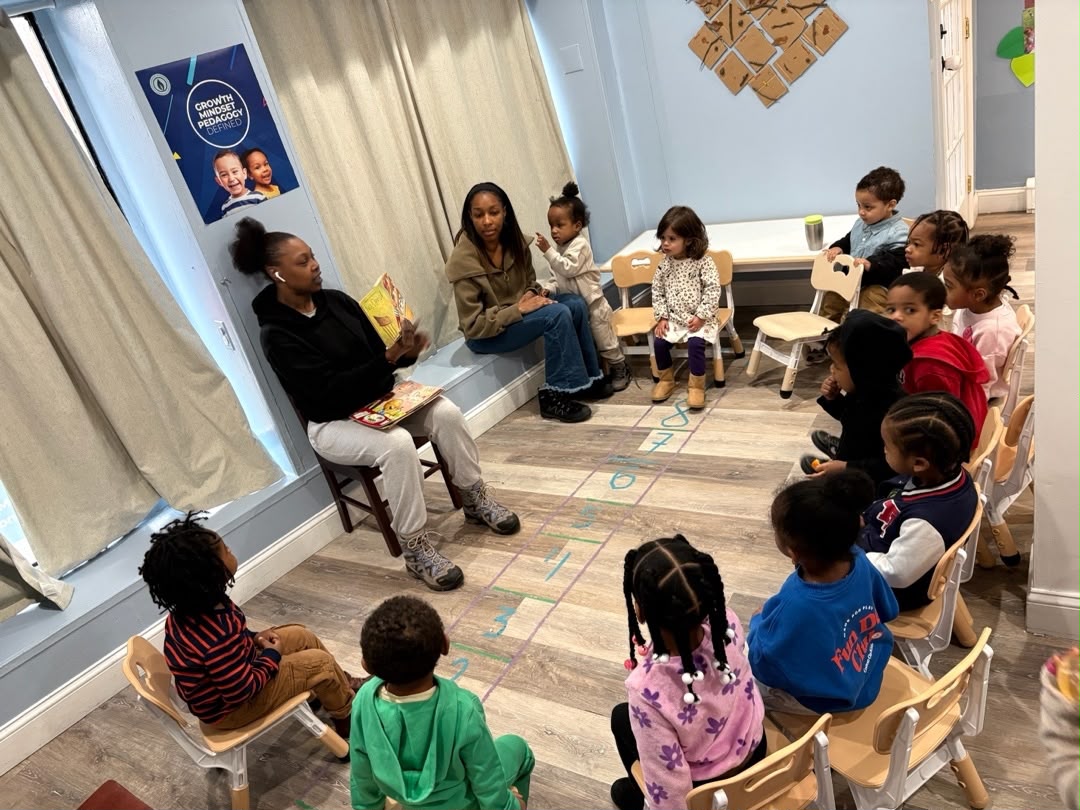
Books, songs, conversations, and storytelling help toddlers build vocabulary and confidence. Look for educators who encourage children to ask questions, describe what they see, and participate in group reading instead of simply listening.
Activities like water play, playdough, sand tables, and textured materials allow toddlers to explore using all their senses while strengthening fine motor skills and curiosity.
Painting, colouring, drawing, and simple crafts encourage creativity while helping children develop the hand control they’ll eventually use for writing.
The artwork doesn’t have to look perfect. The learning happens during the process.
Movement games, dancing, and singing help toddlers improve balance, coordination, rhythm, and listening skills while making learning fun.
Running, climbing, balancing, and exploring outdoors support physical development while giving children opportunities to build confidence and independence.
Building blocks, puzzles, matching games, and sorting activities teach toddlers how to think, experiment, and persevere when something doesn’t work the first time.
Some of the most valuable learning happens when toddlers interact with one another.
Sharing toys, taking turns, solving small disagreements, and working together during play all help children develop emotional intelligence and social confidence.
Many daycare centers can show you a colourful activity calendar.
The better question is:
“How are teachers involved?”
Great developmental activities aren’t about keeping toddlers occupied.
They’re about creating meaningful learning experiences.
As you tour different programs, observe how educators interact with children.
Are they asking questions?
Encouraging exploration?
Supporting children when they’re frustrated?
Celebrating their small achievements?
These moments tell you far more than a printed schedule ever will.
Before your visit, prepare a list of questions to ask during a daycare tour, so you know exactly what to ask educators.
During the tour, use our printable daycare tour checklist to record your observations while everything is still fresh.
You’ll also want to look for the signs of a high-quality daycare that show children are genuinely engaged, supported, and enjoying their learning environment.
The best toddler daycare isn’t the one with the biggest playground or the newest toys.
It’s the one where every activity is designed to help children grow.
When toddlers feel safe, supported, and encouraged to explore, they develop far more than early academic skills. They build confidence, curiosity, resilience, communication, and a love of learning that will benefit them long after they leave preschool.
As you compare different childcare programs, remember that choosing a daycare isn’t about finding the busiest classroom or the longest activity schedule.
It’s about finding a place where your child is encouraged to learn through play, supported by caring educators, and given opportunities to grow at their own pace.
If you’re planning to visit childcare providers soon, our questions to ask during a daycare tour and printable daycare tour checklist can help you compare each program with confidence. They work alongside our complete guide to choosing the right daycare to make the decision easier and more informed for your family.