Physical Address
381 Myrtle Avenue, Brooklyn, NY 11205
Physical Address
381 Myrtle Avenue, Brooklyn, NY 11205

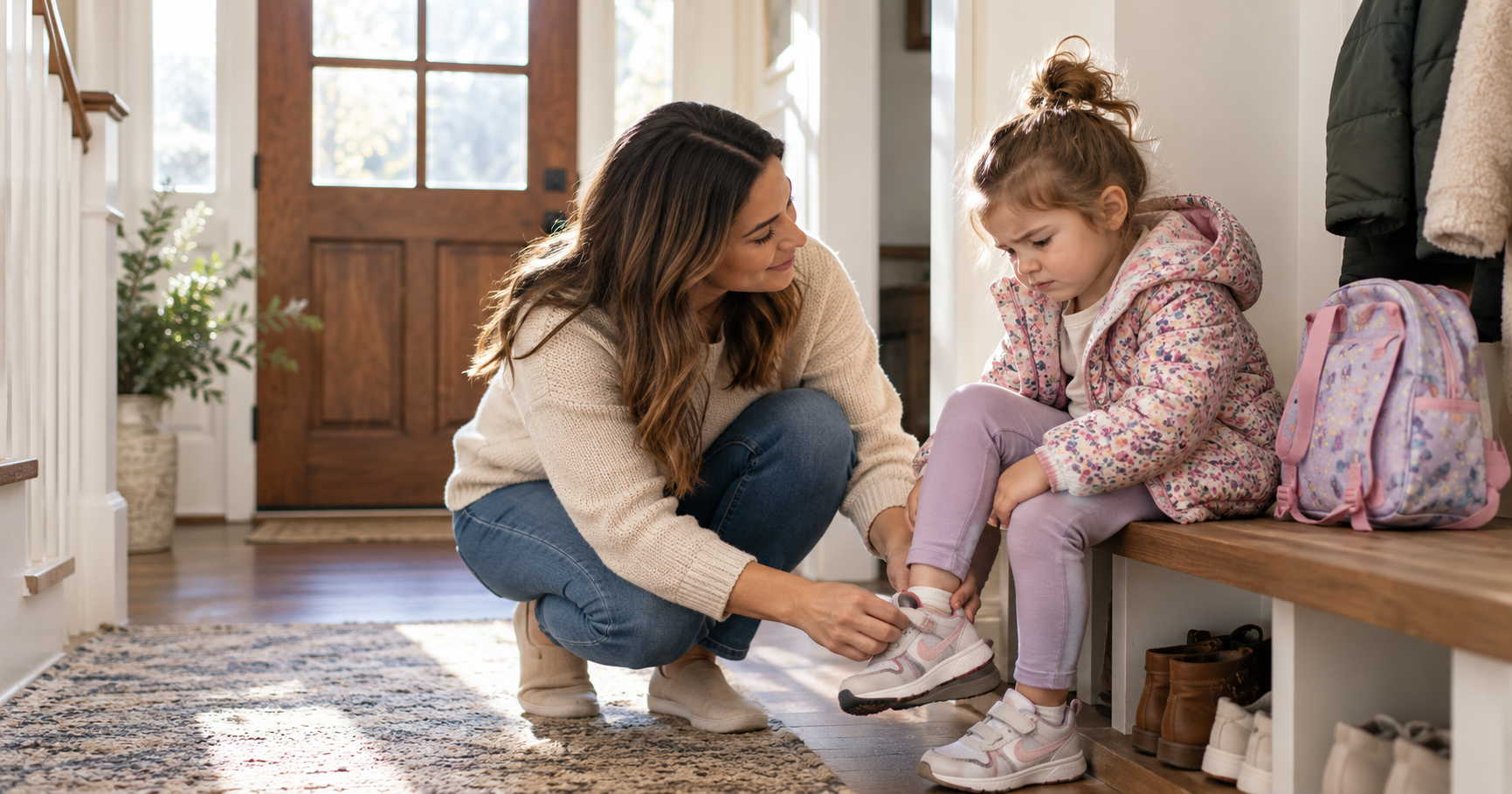
It is 7:40 in the morning. You need to leave in ten minutes, breakfast is barely finished, and your preschooler has suddenly decided they cannot wear the shirt they chose the night before. Then the shoes are wrong. They do not want their coat. You remind them that you are late, they start crying, and what should have been a simple preschool morning turns into a full meltdown.
If this keeps happening, the problem is usually not that your child is deliberately trying to make you late. Morning meltdowns before preschool often happen because young children are being asked to move quickly through several transitions at exactly the time adults are most rushed.
The most effective solution is not simply waking everyone earlier. Parents usually need to reduce the number of decisions, make the routine predictable, and know what to do when a meltdown has already started.
For adults, getting dressed, eating breakfast, and putting on shoes are small tasks. For a preschooler, the morning can involve one transition after another: wake up, stop playing, get dressed, eat, brush teeth, find shoes, leave home and separate from a parent.
Some children handle those transitions easily. Others struggle when they feel rushed or have little control over what happens next.
Your child may also be tired, hungry, worried about preschool, overwhelmed by too many instructions, or simply wanting more time with you before the day begins.
This is why a child who happily gets dressed on Saturday may suddenly refuse their clothes on a preschool morning.
One of the fastest ways to make mornings easier is to stop asking unnecessary questions.
“Which shirt do you want?”
“What do you want for breakfast?”
“Which shoes are you wearing?”
“Do you want to brush your teeth now?”
Each question sounds reasonable, but too many choices can slow down a tired preschooler.
Prepare as much as possible the night before. Choose the outfit together, pack the preschool bag, place shoes by the door, and decide what breakfast will be.
In the morning, give choices only when they genuinely help. Instead of asking, “What do you want to wear?” try, “Your clothes are ready. Do you want to put on your shirt or trousers first?”
Your child still gets some control, but you are not opening a ten-minute negotiation.
Young children cope better when they know what is coming next.
A simple preschool morning routine might be:
Wake up → toilet → get dressed → breakfast → brush teeth → shoes → leave.
Keep the order as consistent as your household allows.
If your child regularly asks what happens next or gets distracted between tasks, a visual schedule can help. It does not need to be complicated. A few pictures showing clothes, breakfast, toothbrush, shoes, and the car may be enough.
The schedule should reduce your talking, not create another task for you to manage.
Instead of repeating, “Put your shoes on, we need to go,” you can say, “What comes after brushing your teeth?”
That gradually shifts some responsibility back to your child.
This is where many morning-routine articles become unrealistic. When you need to leave now, you do not have twenty minutes for a perfect calming activity.
First, stop adding extra instructions.
If your child is crying about shoes while you are also reminding them about their backpack, coat, and water bottle, they may become even more overwhelmed.
Deal with one thing at a time.
You might say, “I know you do not want these shoes. We need to leave now, and I’m going to help you put them on.”
Keep your voice calm and your words short. Do not start a long explanation about why being late is a problem.
If there are two acceptable options, offer them quickly: “Blue shoes or white shoes?”
If your child cannot choose, choose for them and move on without turning it into a threat.
The goal in that moment is not to teach the perfect lesson. It is to get everyone out of the house without making the situation bigger than it already is.
Telling a preschooler, “Hurry up, we’re late,” rarely creates urgency in the way adults expect.
Young children do not experience time pressure the same way adults do. What they often notice instead is that the parent suddenly sounds tense.
That tension can make some children move even more slowly.
Try replacing repeated warnings with specific directions.
Instead of “Hurry up,” say, “Shoes on, then we’re going to the car.”
Instead of “We don’t have time for this,” say, “You wanted more time with your toys. We’ll play with them after preschool.”
Specific instructions are easier for a young child to process than adult time pressure.
Some morning resistance is really a connection request.
A child who knows they are about to separate from you may suddenly want another cuddle, another story, or help with something they normally do independently.
You do not need to add a long activity to your morning. Even a few predictable minutes of connection can help.
Sit beside them while they eat breakfast. Give them a proper cuddle when they wake up. Talk briefly about something they are looking forward to that day.
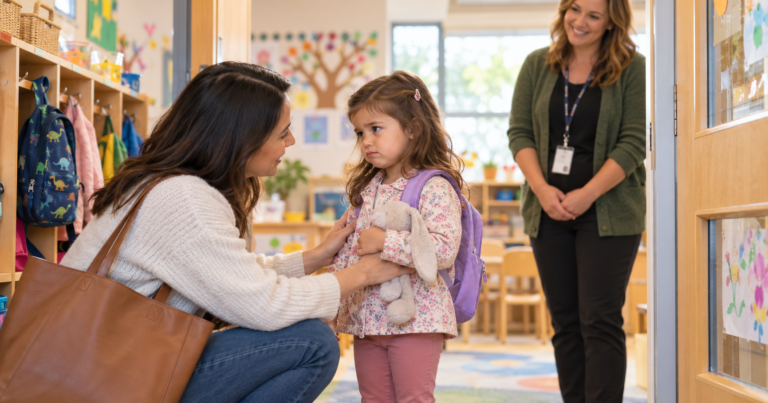
If separation itself is becoming difficult, preschool drop-off anxiety may be contributing to the morning battles rather than the clothes or shoes being the real problem.
A preschooler who is difficult to wake, unusually emotional, or falling apart over tiny frustrations may simply be exhausted.
If mornings are consistently rough, look at the entire day rather than only the morning routine. Consider whether bedtime has become later, whether your child is skipping naps, or whether preschool days are leaving them particularly tired.
Children who arrive home exhausted may also show after-daycare meltdowns, which can be another clue that the daily schedule is demanding more from them than it appears.
An earlier, calmer bedtime may improve mornings more than adding another morning strategy.
If getting dressed is always the battle, simplify it.
Choose comfortable clothes your child already accepts. Avoid introducing a new outfit on a rushed preschool morning. Let them choose between two options the night before and keep the selected clothes ready.
If your toddler suddenly rejects an outfit, check whether something genuinely feels uncomfortable. Tags, tight waistbands, socks, or certain fabrics can become major issues for some children.
Once you know the clothes are comfortable, keep the boundary simple: “You chose this last night. I’ll help you get dressed.”
If mornings are difficult but your child becomes happy shortly after arriving, knowing that can be reassuring.
Ask the teacher how long it takes your child to settle and whether there are particular activities they enjoy when they arrive.
You can then make preschool feel more concrete in the morning: “After we get there, you can go see the blocks,” rather than repeatedly saying, “You love preschool.”
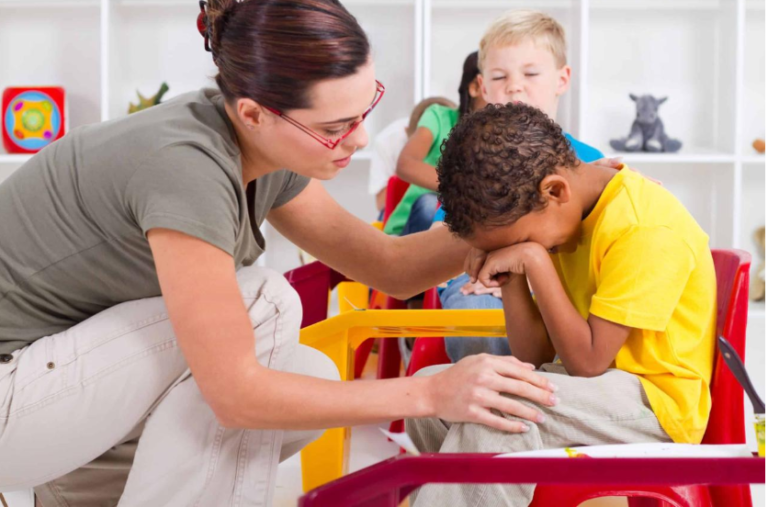
If the teacher says your child remains distressed for a long time after drop-off, the problem may need more attention than simply adjusting your morning routine.
There is no exact timeline, but consistency matters more than finding one perfect trick.
Choose two or three changes and stick with them for a while. Prepare clothes and bags the night before, keep the routine in the same order, and reduce unnecessary choices.
When something works, keep it.
Preschool mornings do not need to become completely peaceful to count as progress. If getting out of the house becomes more predictable, arguments become shorter, and your child needs fewer reminders, the routine is doing its job.
A difficult preschool morning is rarely just about the shoes, shirt, or cereal your child is refusing. Look at what happens immediately before the meltdown, reduce the pressure where you can, and give your child a routine they can predict. The aim is not a perfectly organised morning. It is getting everyone through the door with less stress and fewer battles.