Physical Address
381 Myrtle Avenue, Brooklyn, NY 11205
Physical Address
381 Myrtle Avenue, Brooklyn, NY 11205
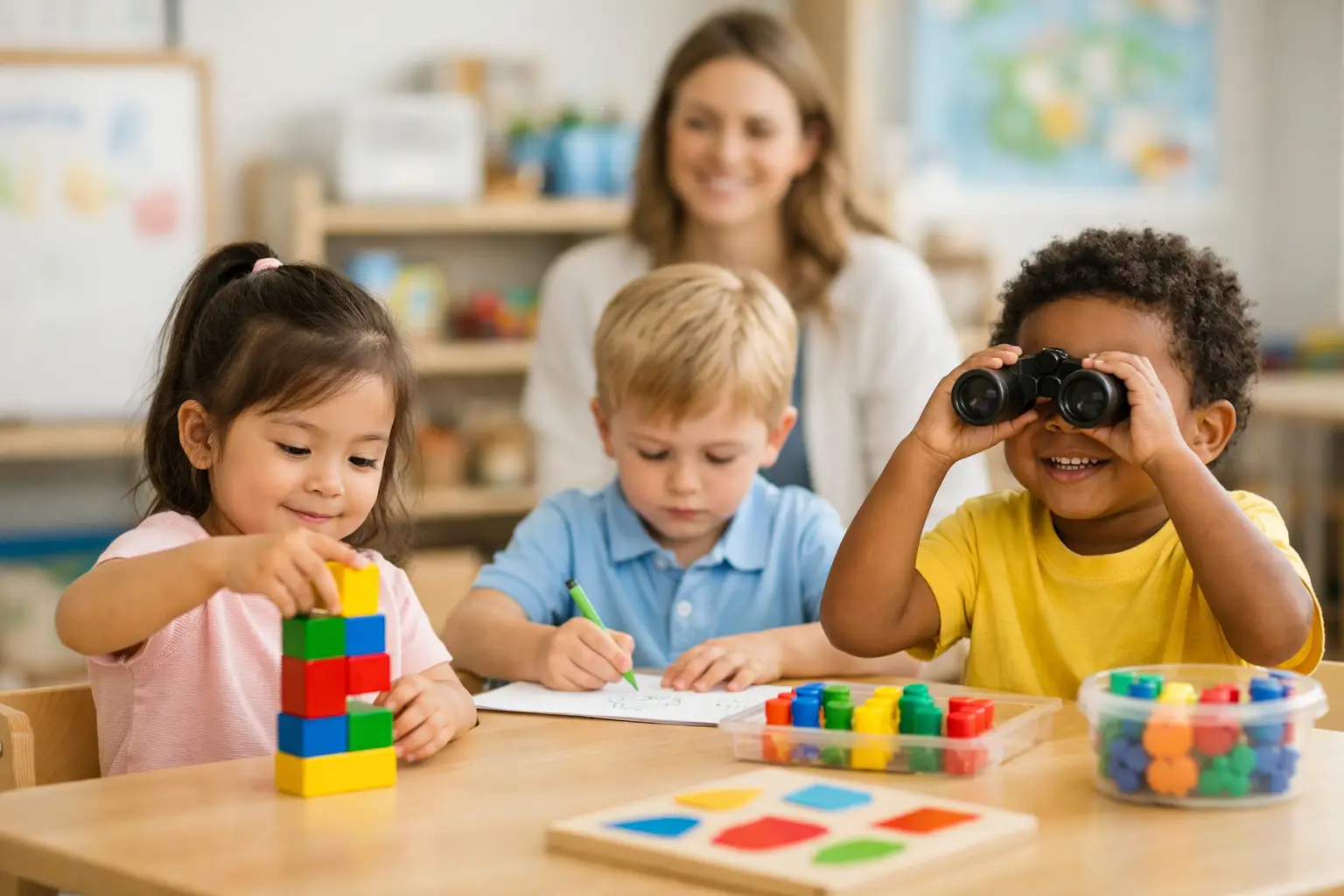
What do children learn in pre k? See how play builds early literacy, math, self-regulation, friendships, confidence, and kindergarten readiness at home.
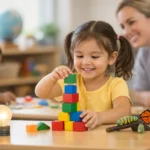
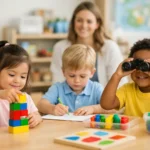
A child carefully stacking blocks, negotiating who gets the red crayon, or telling a teacher about a caterpillar may look like they are simply having fun. They are also doing the meaningful work of early learning. When parents ask, “what do children learn in pre k?” the answer reaches far beyond letters, numbers, and worksheets. Pre-K helps children build the confidence, curiosity, independence, and relationships that support them as they move toward kindergarten and beyond.
At this age, children learn best through active experiences that feel purposeful and joyful. A thoughtful Pre-K classroom gives them room to ask questions, make choices, practice new skills, make mistakes, and try again. That is where real growth happens.
Pre-K supports several areas of development at once. Children are strengthening language and early academic skills, but they are also learning how to participate in a group, manage big feelings, care for materials, and persist when something feels challenging.
Every child develops on an individual timeline. Some children arrive eager to write their name, while others are still building confidence with separating from a caregiver or joining peer play. Both starting points deserve encouragement. A quality Pre-K program meets children where they are and creates opportunities for steady, meaningful progress.
Pre-K children begin to understand that spoken words, printed words, pictures, and symbols all carry meaning. This foundation is called early literacy, and it grows through much more than memorizing the alphabet.
During story time, children listen for characters, make predictions, remember details, and share ideas about what may happen next. They learn that books can answer questions, spark imagination, and help us understand other people’s experiences. Singing songs and rhymes helps them notice the sounds in words, an important early step toward reading.
Children also build print awareness as they recognize their name, notice letters on signs, explore alphabet materials, and experiment with drawing or writing. A child’s scribbled “menu” in dramatic play is valuable writing practice. Over time, those marks may become letter-like shapes, familiar letters, and eventually a recognizable name.
The goal is not to rush children into formal reading instruction before they are ready. It is to help them see themselves as communicators with stories, ideas, and questions worth sharing.
Pre-K math is hands-on. Children compare the heights of block towers, count the snacks needed for each friend, sort buttons by color, and discover that some containers hold more water than others. These moments build number sense, reasoning, and problem-solving.
Teachers may invite children to count objects with one-to-one correspondence, recognize small groups without counting, identify shapes, create patterns, and use words such as more, less, beside, under, and behind. These concepts become meaningful when children can touch, move, and test materials themselves.
For example, a child who notices that a triangle-shaped roof will not balance on a block structure is learning about shapes and spatial relationships. A child who says, “We need two more plates,” is using math to solve a real problem. Play gives abstract ideas a practical purpose.
Young children are natural investigators. They want to know why ice melts, where shadows go, how seeds grow, and what happens when paint colors mix. Pre-K nurtures that curiosity by giving children time to observe, wonder, test ideas, and talk about what they notice.
Simple experiences can lead to rich learning. Watching a class plant change over several weeks encourages children to notice patterns and care for living things. Building ramps for toy cars introduces cause and effect. Exploring leaves, rocks, or insects outdoors builds vocabulary and respect for the natural world.
Creative thinking also grows through art, music, movement, and dramatic play. There is no single “right” way to paint a family portrait or act out a grocery store scene. These experiences help children express feelings, develop flexible thinking, and turn ideas into action.
Kindergarten readiness includes knowing how to be part of a community. In Pre-K, children practice taking turns, sharing space, listening to others, joining a game, and communicating their needs. These skills do not appear all at once. They develop through repeated, supported experiences with peers and caring adults.
Conflicts are part of the learning process. When two children want the same truck, the goal is not simply to stop the disagreement. A responsive teacher can help them name the problem, hear each other, and try a solution such as taking turns, choosing another vehicle, or using a timer. Over time, children gain language for handling everyday challenges.
They also learn empathy. A teacher might say, “Maya looks disappointed because the tower fell. What could we do?” Children begin to recognize that their words and actions affect other people. This is a powerful foundation for friendship and belonging.
Pre-K children are still learning what to do with frustration, excitement, disappointment, worry, and anger. A strong program does not expect them to manage every big feeling alone. Instead, educators offer calm guidance and language children can use now and later.
Children may practice taking a breath, asking for help, using a quiet space, waiting briefly, or trying a task again after it does not work the first time. They learn that feelings are real and acceptable, while also learning safe ways to express them.
This is where a growth mindset matters. A child who says, “I can’t cut this shape,” may be encouraged to add one small but powerful word: “yet.” With practice, support, and another attempt, they discover that effort can lead to growth. Confidence is not about getting everything right immediately. It is about believing, “I can keep learning.”
Many of the most valuable Pre-K lessons happen during routines. Putting away a backpack, washing hands, opening a lunch container, choosing an activity, cleaning up, and dressing for outdoor play all build independence.
These tasks can take longer when adults let children participate, and that is a worthwhile trade-off. Doing everything for a child may be faster in the moment, but allowing them to try builds capability. Teachers offer the right amount of help, then gradually step back as children gain confidence.
Pre-K also helps children follow a predictable rhythm to the day. They learn that there is a time for active play, group gatherings, meals, rest, outdoor exploration, and transitions. Knowing what comes next can help children feel secure and ready to participate.
Children need strong hands and coordinated bodies to fully engage in classroom learning. Pre-K supports fine motor development through activities such as using crayons, paintbrushes, scissors, puzzles, play dough, beads, and building materials. These experiences strengthen the muscles and control needed later for writing and daily self-care tasks.
Gross motor play matters just as much. Running, climbing, balancing, dancing, throwing, and pedaling help children develop coordination, body awareness, and confidence. Movement can also support attention and emotional regulation. Some children are ready to listen and learn best after they have had a chance to move their bodies.
You do not need to recreate a classroom at home to support your child. Meaningful learning can happen while cooking, walking, reading before bed, sorting socks, or talking about the day. Ask open-ended questions such as, “What did you notice?” or “What else could we try?” Give your child time to answer, even if their response is unexpected.
Reading together regularly is one of the most helpful habits. Let your child turn pages, retell parts of the story, point out familiar letters, and choose favorite books again and again. Repetition is not a lack of progress. It is often how children build mastery.
It also helps to talk with your child’s teachers about what they are practicing. At Growth Mindset Learning Lab, families and educators can work as a team, celebrating milestones while sharing strategies for challenges that may come up at home or in the classroom.
Pre-K is not a race to prove that a child is ahead. It is a season for building the tools that make future learning feel possible: curiosity, connection, resilience, and the courage to try one more time.