Physical Address
381 Myrtle Avenue, Brooklyn, NY 11205
Physical Address
381 Myrtle Avenue, Brooklyn, NY 11205

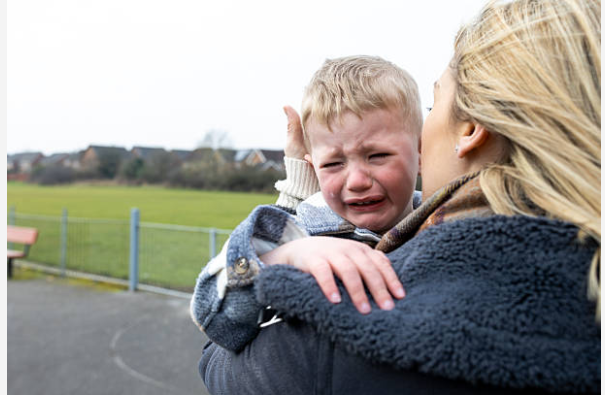
Daycare separation anxiety is a normal early childhood response when a child feels upset, clingy, or fearful during drop-off. For many children, it improves within a few weeks with consistent routines, warm caregiver relationships, and calm goodbyes.
If your child cries when you leave them at daycare, it can feel awful.
You may start wondering if they are not ready. Or if the daycare is wrong for them. Or, honestly, if you are doing something wrong as a parent.
But in many cases, daycare separation anxiety is a normal part of early childhood. Some children adjust quickly. Others need more time, more routine, and more reassurance before daycare starts to feel familiar.
The important thing is knowing what is normal, what you can do to help, and when the crying might be a sign that something else needs attention.
Daycare separation anxiety happens when a child becomes upset, clingy, fearful, or tearful when separating from a parent or caregiver.
It often shows up during drop-off.
Your child may cry, hold onto your clothes, refuse to enter the classroom, ask to go home, or say things like “Don’t leave me.” Some children cry loudly. Others become quiet, withdrawn, or nervous.
For parents, it can be painful to watch. However, separation anxiety does not always mean your child is unsafe or unhappy at daycare. Sometimes, it simply means your child is still learning how to feel secure when you are not physically there.
First few days
Your child may cry during drop-off but usually settles shortly after you leave.
First week
Many children begin recognizing teachers and classroom routines, although goodbyes may still be emotional.
Weeks 2–4
Most children become more comfortable and begin participating happily in classroom activities.
After one month
Many children have adjusted well, though occasional tears after weekends or holidays are still completely normal.
Yes, it can be normal.
Many toddlers and preschoolers struggle with separation, especially when they are starting daycare for the first time, moving to a new class, changing teachers, or returning after a break.
A child may also struggle more if there has been a recent change at home, such as moving house, a new sibling, a parent going back to work, or a change in routine.
What matters is not only whether your child cries. What matters is what happens after you leave.
If your child cries for a few minutes but later settles, plays, eats, naps, and interacts with teachers, that is usually a good sign. It means the goodbye is hard, but the whole day may not be hard.
There is no perfect timeline because every child is different.
Some children settle within a few days. Some need two or three weeks. Others may take longer, especially if they are naturally cautious, highly attached to routine, or new to group care.
A helpful question to ask the teacher is:
“After I leave, how long does it usually take my child to calm down?”
This gives you a clearer picture than judging only by drop-off. A child who cries intensely for three minutes and then plays happily is different from a child who stays upset for most of the morning.
Daycare drop-off can feel big to a young child because they are dealing with several things at once.
They are separating from you. They are entering a busy environment. They may be around children who are noisy or unfamiliar. They may not fully understand when you are coming back. And if they are tired, hungry, or rushed, the goodbye can feel even harder.
Some children also find transitions difficult in general. Moving from home to car, car to daycare, and parent to teacher can feel like too many changes in a short period.
This does not mean your child is being difficult. It often means their brain and body need help moving from one situation to another.
Even if drop-off is emotional, your child may still be adjusting well.
Look for signs like:
Progress may be small at first. For example, your child may cry for 20 minutes during the first week, then 10 minutes the next week, then only at the door. That is still progress.
Your child may still cry during drop-off, but you may also notice positive signs such as:
These small changes often show that your child is beginning to feel safe and secure.
Sometimes separation anxiety needs closer attention.
Speak with your child’s teacher, daycare manager, or a child development professional if your child:
This does not mean something is definitely wrong. It simply means you should look more closely and work with the daycare team.
The best daycare drop-off often starts before you reach the door.
Try to keep mornings calm and predictable. Young children do better when they know what is coming next.
You can say:
“First we get dressed, then we eat breakfast, then we go to daycare, then I will come back after snack and playtime.”
For younger children, keep it even simpler:
“Daycare first. Mummy/Daddy comes back later.”
You can also talk about one positive thing they may do at daycare, like painting, story time, outdoor play, or seeing a favourite teacher.
Avoid overexplaining. Too much talking can sometimes make a child feel more anxious. Short, calm, confident language works better.
Your goodbye should be warm, short, and predictable.
You might say:
“I love you. You are safe. I will come back after work. Have fun with Miss Anna.”
Then give a hug, say goodbye, and leave.
That sounds simple, but it matters. When parents keep coming back for another hug, another kiss, another explanation, the child can become more distressed. They may start thinking, “Maybe there is a reason to be scared.”
A confident goodbye helps your child borrow your confidence.
Try not to sneak away without saying goodbye.
It may seem easier in the moment, especially if your child gets distracted. But sneaking away can make some children more anxious because they may start worrying that you can disappear at any time.
Also try not to say things like:
“Don’t cry.”
“You’re a big boy now.”
“You’re making me sad.”
“There’s nothing to be scared of.”
These phrases are usually said with love, but they can make a child feel misunderstood.
A better approach is:
“I know goodbye feels hard. I love you, and I will come back.”
This validates the feeling without making the child feel like daycare is dangerous.
A goodbye routine helps children know what to expect.
For example:
Do the same thing every day.
The routine should not be too long. The goal is not to remove every tear immediately. The goal is to help your child feel safe through repetition.
A good teacher can make separation much easier.
Ask the teacher what usually helps your child settle. Some children need a quiet corner. Some need a job, like helping set out crayons. Some need to hold a comfort item. Some settle faster when a teacher gently takes their hand and leads them into an activity.
You can ask:
“What does my child do after I leave?”
“What helps them calm down?”
“Is there a friend or activity they seem to enjoy?”
“Would a comfort object from home help?”
“Can we create a consistent drop-off routine together?”
This turns daycare adjustment into a team effort instead of something you carry alone.
Usually, long emotional goodbyes make separation harder.
Of course, you should not be cold or rushed in a way that feels harsh. But once you have said goodbye, it is usually better to leave calmly.
If your child is very upset, you can ask the teacher to send a quick update later, such as:
“She cried for five minutes, then joined story time.”
That kind of message can reassure you and help you stay consistent the next day.
This happens.
A child may suddenly struggle with drop-off after illness, holidays, a new classroom, a change in teacher, a new baby at home, poor sleep, or a stressful week.
Do not panic immediately.
Go back to the basics: predictable routine, short goodbye, comfort object if allowed, and close communication with the teacher.
If the sudden change continues or feels extreme, then it is worth investigating more carefully.
Here is a simple plan you can try.
Use the same phrase and routine. Do not sneak away.
If the daycare allows it, let your child bring a small comfort object, such as a soft toy, family photo, or small blanket.
Ask the teacher to give your child something to do when they arrive, like choosing a book, watering a plant, or helping with crayons.
Use a simple time marker: “I’ll come back after snack,” or “I’ll come back after nap.”
Ask the teacher how long it takes your child to settle. Look for small improvements, not perfection.
Daycare separation anxiety can be hard on both the child and the parent.
But crying at drop-off does not automatically mean daycare is bad or that your child is not ready. Many children simply need time, consistency, and support from both home and daycare.
The best approach is calm, loving, and predictable.
Say goodbye. Mean it. Come back when you said you would. Keep the routine steady.
Over time, your child learns something powerful:
“My parent leaves, but they always come back. I can feel safe here too.”
Every child deserves a gentle start to daycare.
At Growth Mindset Learning Lab, we understand that transitions can be emotional for both children and parents. Our experienced teachers use nurturing routines, consistent communication, and developmentally appropriate strategies to help children feel safe, confident, and supported as they adjust to daycare.
If you’re looking for a warm, welcoming daycare in Brooklyn, we’d love to meet your family. Schedule a tour to see how we help children thrive from their very first day.
Yes. Many children experience separation anxiety when starting daycare or preschool.
For many children, it improves within a few weeks as they become familiar with their teachers and daily routine.
Usually no.
A calm, confident goodbye is often more helpful than a long goodbye.
No.
Although it may seem easier, sneaking away can reduce your child’s trust and make future separations harder.
Yes.
It may return after illness, holidays, vacations, or changes in routine.