Physical Address
381 Myrtle Avenue, Brooklyn, NY 11205
Physical Address
381 Myrtle Avenue, Brooklyn, NY 11205

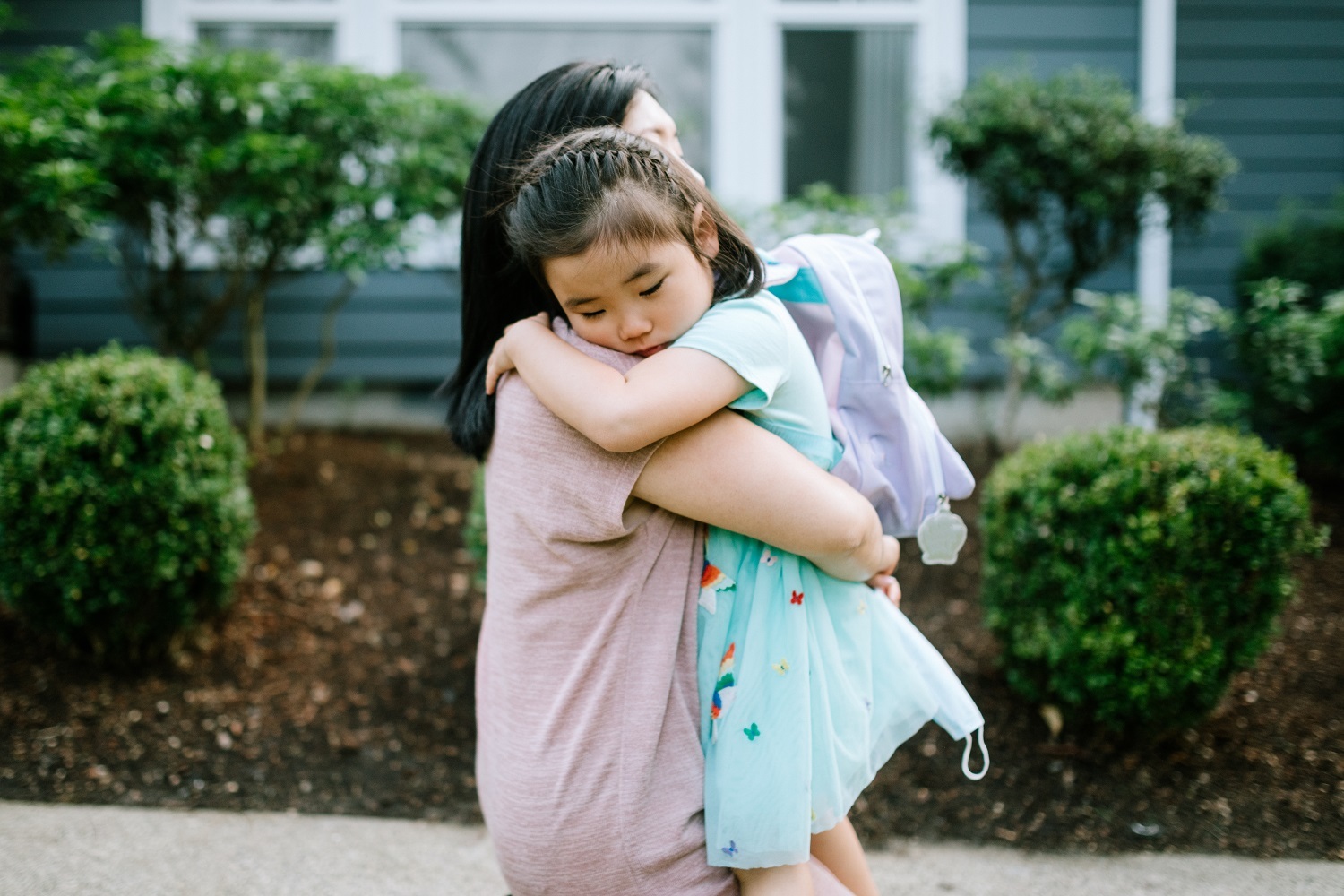
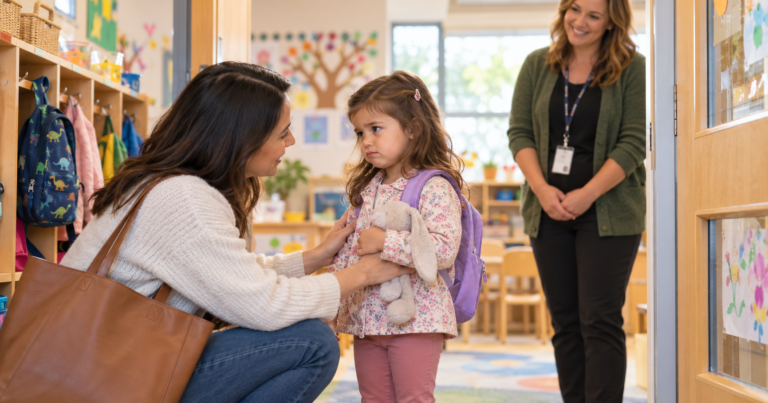
For some parents, daycare drop-off takes less than a minute.
For others, it feels like the longest part of the day.
Your child wraps their arms around your leg. Tears begin to flow. They beg you not to leave. As you walk away, you hear them crying behind you and immediately start wondering if you’re doing the right thing.
If you’ve experienced this, you’re not alone.
As a daycare owner, I’ve comforted hundreds of children during drop-off. I’ve also spoken with countless parents who sat in their cars afterward feeling guilty, worried, and emotionally drained.
The good news is that separation anxiety daycare challenges are incredibly common.
In fact, some of the children who cry the hardest during their first few weeks eventually become the children who run through the classroom door without looking back.
The transition isn’t always easy, but it is often temporary.
Understanding why separation anxiety happens and knowing how to respond can make a tremendous difference for both you and your child.
When most people think about separation anxiety daycare struggles, they picture crying at drop-off.
While tears are common, separation anxiety can appear in many different ways.
Some children:
Sometimes the signs appear outside of daycare hours.
You may notice:
I’ve seen children hold themselves together all day and then completely melt down once they get home.
Parents often assume the daycare day was terrible.
In reality, the child may have spent significant energy managing emotions throughout the day.
One of the most common questions parents ask is:
“Why does my child struggle when other children seem perfectly fine?”
The answer often comes down to individual differences.
Some children naturally adapt to change more easily.
Others prefer familiarity, routine, and predictability.
Neither temperament is better than the other.
Children simply experience transitions differently.
Imagine being dropped into a room filled with unfamiliar people, routines, and expectations.
For some children, that’s exciting.
For others, it feels overwhelming.
Young children thrive on consistency.
Even positive changes can create stress when familiar routines disappear.
Children who have had positive experiences with caregivers outside the home sometimes adjust more quickly.
Others may need additional time to build trust.
Child separation anxiety is a normal part of development.
Toddlers and preschoolers are still learning that parents leave and come back.
Some children are simply more emotionally sensitive.
These children often need more time, reassurance, and support during a daycare transition.
How do you know if your child is experiencing more than normal adjustment challenges?
Look for patterns.
Common signs include:
Your child cries, resists, or becomes highly emotional every morning.
They want to stay physically close to you throughout the day.
You notice:
Small frustrations suddenly trigger large reactions.
Children sometimes report:
Even when no illness is present.
You may hear:
These questions often reveal underlying worries about separation.
Children feel safer when they know what to expect.
Use the same sequence every morning.
For example:
Consistency builds security.
Long emotional farewells often increase anxiety.
I’ve watched many children become more upset the longer a parent stays.
A brief, confident goodbye is usually more effective.
A favorite stuffed animal, family photo, or small comfort item can provide reassurance.
These familiar objects often help children feel connected to home.
Start with small separations from trusted caregivers.
These experiences help children learn an important lesson:
Mom and Dad always come back.
Avoid saying things like:
“Don’t cry.”
Instead try:
“You’re going to have a fun day and I’ll see you after snack time.”
Children often borrow confidence from parents.
When you show trust in teachers, your child is more likely to feel safe with them too.
Morning chaos increases stress for everyone.
Prepare clothes, lunches, and backpacks ahead of time whenever possible.
Help children identify feelings.
You might say:
“It looks like you’re feeling nervous about daycare today.”
Naming emotions helps children understand them.
Teachers often see progress parents don’t.
Regular communication creates consistency between home and daycare.
Did your child stop crying five minutes sooner today?
Did they walk into the classroom independently?
Celebrate progress.
Small improvements eventually become big changes.
Even loving parents can accidentally make separation anxiety daycare challenges harder.
Parents sometimes leave without saying goodbye to avoid tears.
Unfortunately, this can damage trust.
Coming back multiple times after saying goodbye can make separation harder.
Children often notice parental emotions.
If you appear worried, they may feel worried too.
Avoid statements like:
“I’ll be back in five minutes.”
Every child’s daycare adjustment journey is different.
Children absorb more than we realize.
Many children need several weeks to adjust.
Progress is rarely linear.
Most daycare drop-off anxiety improves with time.
However, additional support may be helpful if:
Seeking support does not mean you’ve done anything wrong.
Sometimes families simply benefit from additional guidance and strategies.
If daycare drop-off has become the hardest part of your day, I want you to know something.
The tears you’re seeing today do not predict how your child will feel six weeks from now.
I’ve watched children cling to their parents every morning and later become the children who run into the classroom excited to see their teachers and friends.
Adjustment takes time.
Trust takes time.
Confidence takes time.
Your child isn’t failing.
You’re not failing either.
Separation anxiety is often a sign that your child feels deeply connected to you. That’s not a weakness. It’s actually evidence of a strong bond.
The goal isn’t to eliminate every tear.
The goal is to help your child learn that they can feel nervous, miss you, and still be okay.
Keep showing up.
Keep following your routines.
Keep celebrating progress.
One small step at a time, your child is building the confidence they need to thrive.
Many children improve within a few weeks, although some need longer. Personality, age, and previous experiences all play a role.
Yes. Crying is one of the most common signs of daycare adjustment and often improves over time.
Usually not. A short and predictable goodbye tends to work better than a prolonged farewell.
Separation anxiety often appears between infancy and preschool age, although every child is different.
Many children settle quickly once they become engaged in activities and interact with teachers and friends.
Yes. New routines and emotional stress can temporarily affect sleep patterns.
For many children, comfort objects provide security and reassurance during transitions.
Developmental changes, routine disruptions, or life events can sometimes trigger new anxiety.
Not necessarily. Many children who initially struggle eventually thrive once they adjust.
Consider additional support if anxiety remains severe, persistent, or significantly affects daily functioning.