Physical Address
381 Myrtle Avenue, Brooklyn, NY 11205
Physical Address
381 Myrtle Avenue, Brooklyn, NY 11205

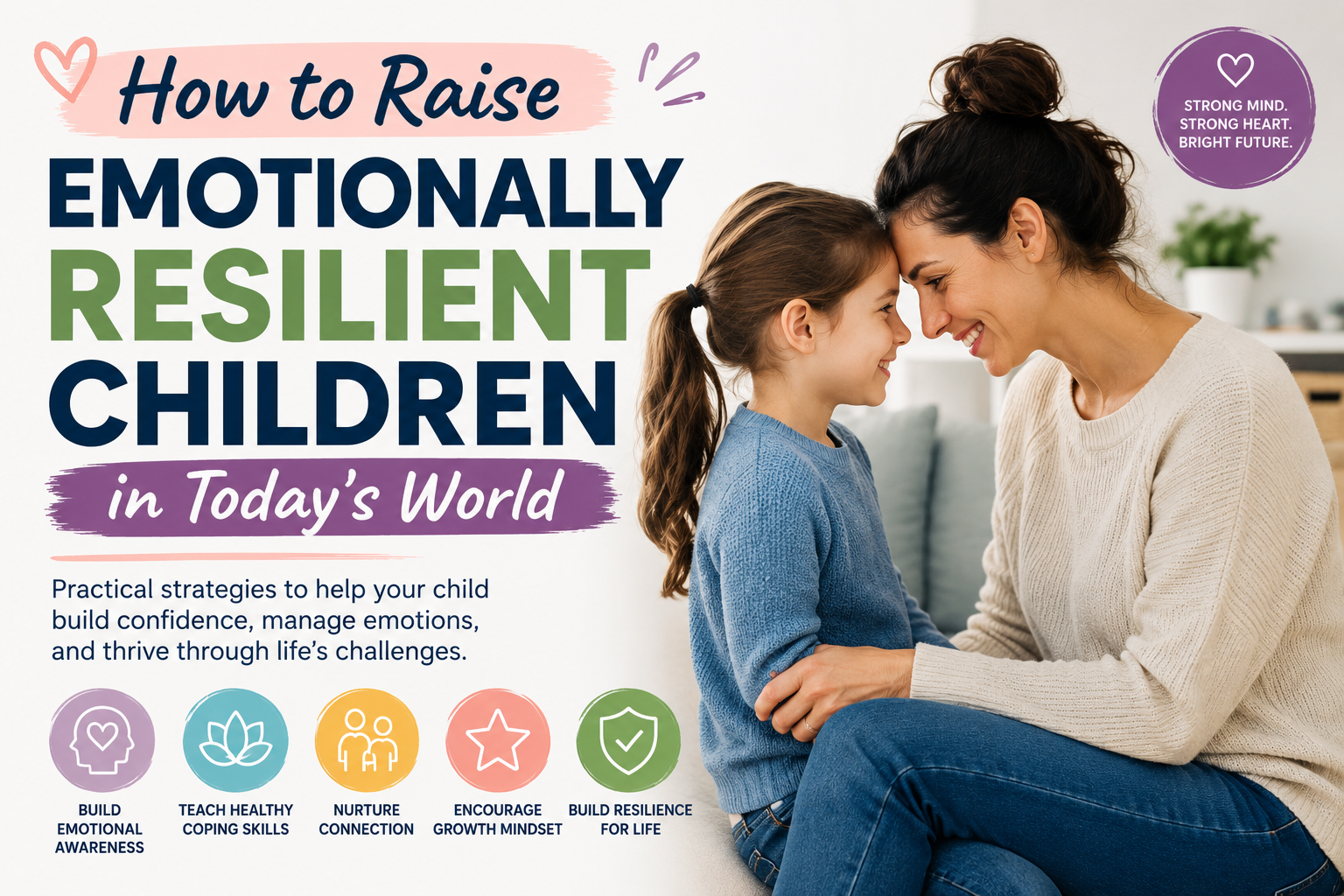
Children today are growing up in a world that moves faster, feels louder, and places more emotional pressure on them than ever before.
From academic stress and social pressure to overstimulation, screen exposure, anxiety, and emotional overwhelm, many children are navigating challenges that can deeply affect their emotional well-being.
As a result, more parents are beginning to ask an important question:
“How do I raise a child who can handle life’s challenges in a healthy and confident way?”
The answer often begins with emotional resilience.
Emotionally resilient children are not children who never struggle, cry, fail, or feel upset.
They are children who gradually learn how to:
Emotional resilience is one of the most important life skills children can develop, especially in today’s world.
Emotional resilience is a child’s ability to cope with stress, disappointment, pressure, uncertainty, and emotional challenges while continuing to grow emotionally and mentally.
Resilient children still experience:
But over time, they learn how to process those emotions, recover, and move forward more effectively.
Resilience is not about becoming emotionally “tough” or suppressing feelings.
It is about developing emotional flexibility, confidence, self-awareness, and coping skills.
Modern childhood comes with unique emotional pressures.
Children today face:
Many children are emotionally exhausted without adults fully realizing it.
This is one reason emotional regulation struggles, meltdowns, anxiety, and behavioral challenges are becoming more common.
Helping children build resilience early can support:
Emotionally resilient children are not perfect.
However, over time they often become better at:
These skills develop gradually through consistent emotional support and guidance.
Every child develops differently.
Some children are naturally more emotionally sensitive or reactive than others.
Factors that may affect emotional resilience include:
Children cannot build resilience in environments where they constantly feel unsafe, ashamed, or emotionally unsupported.
Children should know that emotions are normal.
Sadness, frustration, disappointment, fear, anger, and nervousness are all part of being human.
When children feel ashamed of emotions, they often suppress feelings instead of learning how to manage them.
Parents can normalize emotions by saying:
Validation helps children feel emotionally safe.
Children need help learning how to calm down and process emotions safely.
This includes teaching:
Emotional regulation is a major foundation of resilience.
Children who can regulate emotions often recover from stressful situations more effectively.
Parents naturally want to protect children from discomfort.
However, resilience grows when children gradually learn how to navigate challenges.
Instead of solving every problem immediately, guide children through thinking processes such as:
Problem-solving builds emotional confidence.
Many children feel intense pressure to always succeed, behave perfectly, or avoid mistakes.
But resilient children understand that mistakes are part of growth.
Parents can support this mindset by praising:
Children who believe mistakes are safe are more likely to develop confidence and perseverance.
Children become more emotionally resilient when they feel emotionally secure.
Connection matters deeply.
Simple moments help strengthen emotional safety:
Children who feel emotionally safe are more likely to communicate openly during challenges.
Children need practical emotional tools.
Helpful coping skills may include:
Teaching coping strategies early helps children manage stress more effectively later in life.
Failure is one of the greatest opportunities to build resilience.
Instead of rescuing children from every disappointment, help them process the experience.
Ask:
Children build confidence when they realize they can survive setbacks and continue growing.
Children learn emotional behavior by watching adults.
Parents who handle stress calmly, communicate emotions healthily, and recover from challenges teach resilience through example.
Children notice:
Modeling matters enormously.
Some parenting patterns unintentionally weaken emotional resilience over time.
Children need manageable challenges to build confidence and coping skills.
Protecting children from every struggle may reduce opportunities for emotional growth.
Statements like:
can make children feel emotionally unsafe.
Emotional safety supports resilience.
Excessive criticism can weaken confidence and increase anxiety.
Children grow best in environments where correction is balanced with encouragement and emotional support.
Emotionally resilient children are not children who never struggle.
They are children who gradually learn:
These emotional skills affect:
Resilience supports children far beyond childhood.
Raising emotionally resilient children in today’s world requires patience, emotional awareness, and intentional parenting.
Children do not become resilient because they never experience difficulty.
They become resilient because they learn they are capable of handling challenges with support, guidance, emotional safety, and healthy coping skills.
Small daily moments matter more than perfection.
Every calm conversation, supportive response, emotional validation, and opportunity to grow helps children develop the resilience they need to navigate life with greater confidence and emotional strength.
Emotional resilience is a child’s ability to cope with stress, recover from challenges, manage emotions, and adapt to difficult situations.
Yes. Emotional resilience develops gradually through emotional support, healthy coping skills, communication, and consistent guidance.
Temperament, stress levels, emotional environment, anxiety, sleep quality, and life experiences can all affect resilience development.
Parents can support resilience by encouraging problem-solving, emotional regulation, healthy communication, and emotional safety.
Yes. Emotional resilience can support healthier coping skills, emotional stability, confidence, and long-term mental well-being.