Physical Address
381 Myrtle Avenue, Brooklyn, NY 11205
Physical Address
381 Myrtle Avenue, Brooklyn, NY 11205

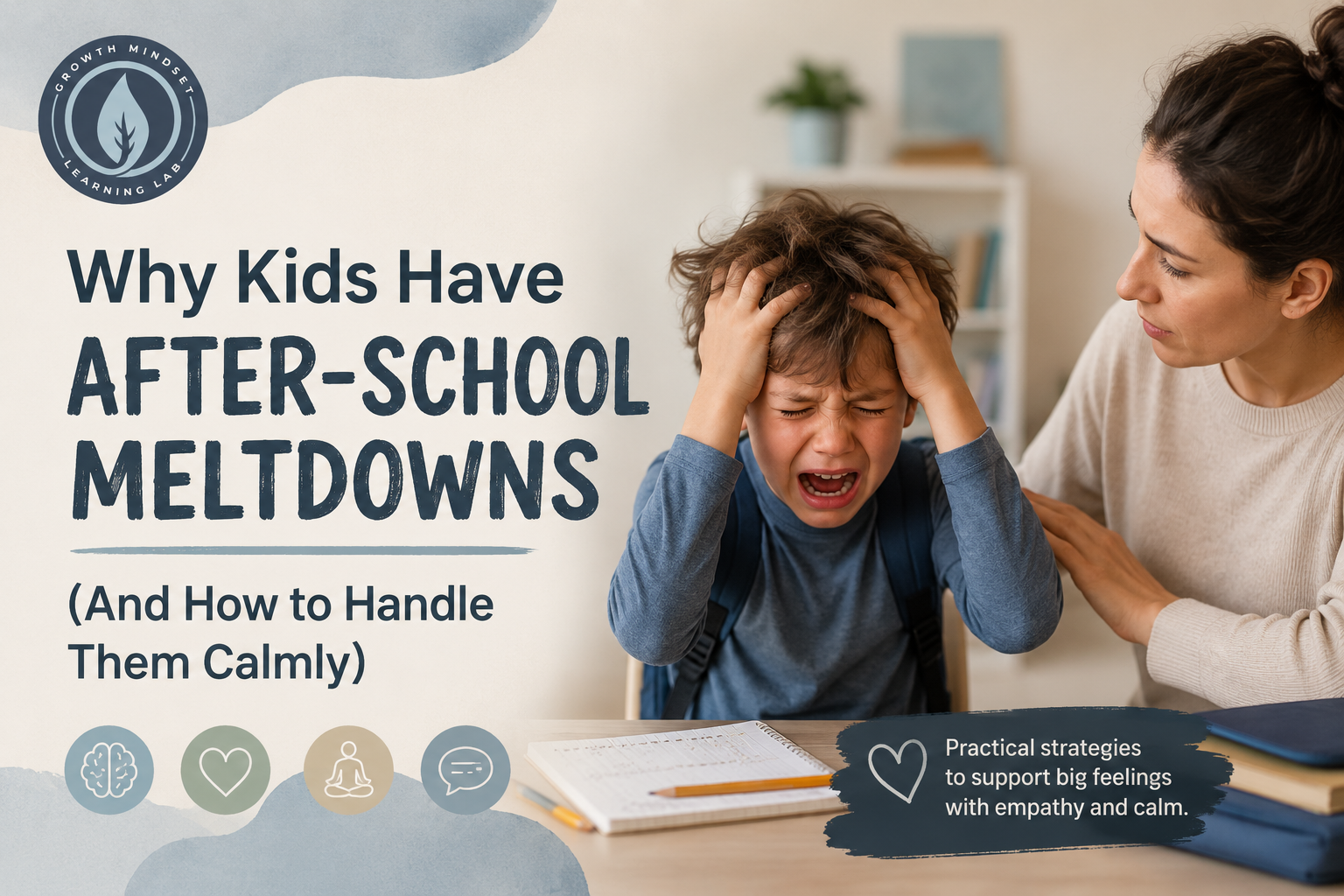
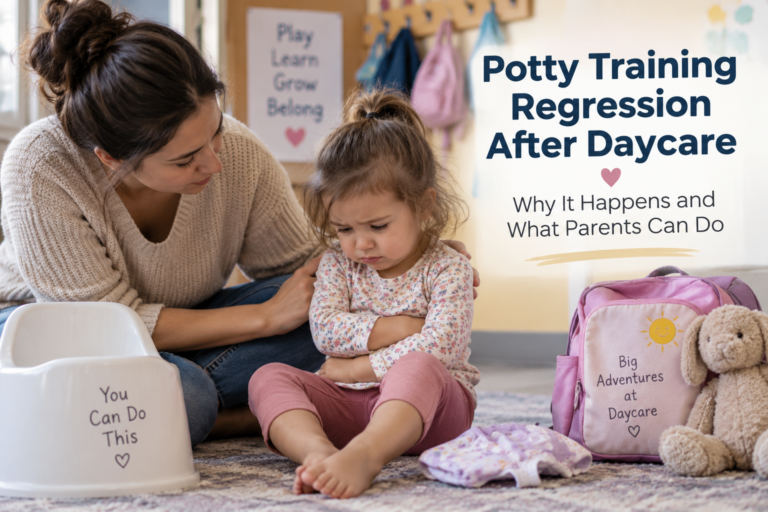
Your child walks through the door after school, and suddenly, everything feels difficult.
A simple question turns into tears. A small request becomes a full emotional breakdown. Sometimes they slam doors, cry uncontrollably, yell, or shut down completely.
Many parents experience this daily and often wonder the same thing:
“Why is my child behaving like this after school?”
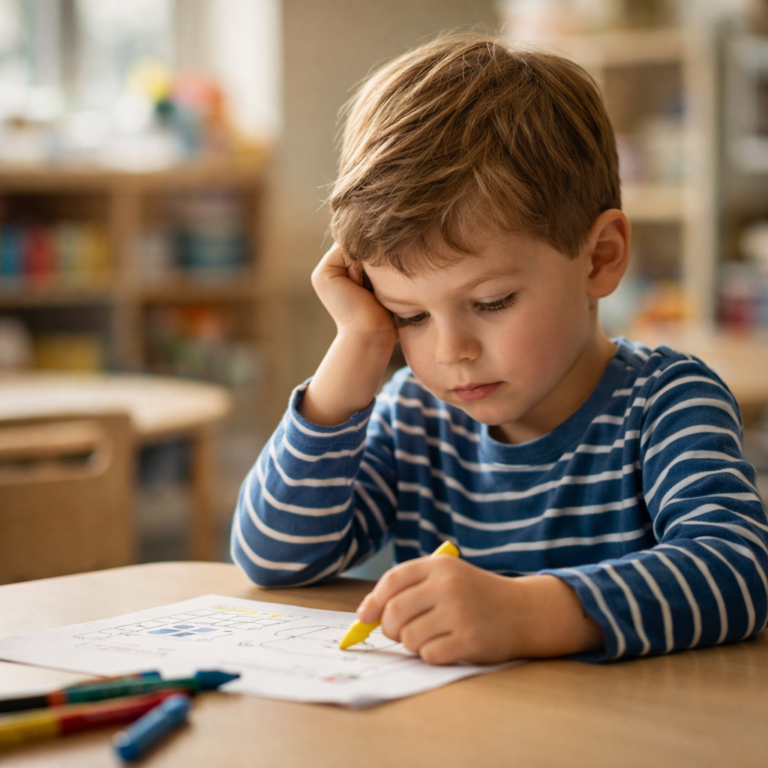
The truth is that after-school meltdowns are more common than many parents realize. In most cases, children are not trying to be difficult. They are emotionally exhausted, mentally overstimulated, and struggling to regulate everything they have been holding in throughout the day.
Understanding why these meltdowns happen can help parents respond calmly instead of reacting with frustration.
An after-school meltdown happens when a child releases pent-up emotions after spending hours trying to stay regulated in school.
At school, children are expected to:
For many children, especially younger kids, this requires an enormous amount of emotional energy.
By the time they get home, their emotional capacity is depleted.
Home becomes the “safe place” where all the emotions they held back during the day finally come out.
Understanding the root causes can help parents respond more effectively.
Many children spend the entire school day trying to behave appropriately even when they feel overwhelmed.
They may suppress:
Once they return home, they no longer have the energy to keep masking those emotions.
This emotional release often appears as irritability, crying, anger, or complete shutdown.
School requires constant concentration.
Children are making decisions, processing information, following instructions, and interacting socially for several hours straight.
By the end of the day, their brains are tired.
Just like adults become impatient after a stressful workday, children also struggle to regulate emotions when mentally exhausted.
Related Article: Preschool Drop-Off Anxiety: What’s Normal, What’s a Red Flag, and What to Do Next
Many after-school meltdowns are intensified by hunger.
Children burn a lot of energy throughout the school day. If they have not eaten enough or are dehydrated, emotional regulation becomes even harder.
A hungry child is often an emotionally reactive child.
Classrooms can be overstimulating environments.
Noise, lights, movement, social interaction, and constant activity can overwhelm children, especially those who are more sensitive to sensory input.
After hours of stimulation, their nervous system may simply need relief.
This surprises many parents.
Children often save their biggest emotions for the people they trust most.
Home is where they feel emotionally secure enough to release everything they have been holding inside.
While this can feel frustrating for parents, it is often a sign that the child feels emotionally safe.
Every child expresses stress differently.
Some common signs include:
Recognizing these signs early can help parents intervene calmly before emotions escalate further.
How parents respond during these moments matters greatly.
Some reactions unintentionally worsen the meltdown.
Raising your voice usually increases emotional intensity instead of calming it.
Children who are already dysregulated struggle to process correction in that moment.
Children should learn emotional regulation, not emotional suppression.
Punishing them for expressing feelings may teach them to hide emotions rather than manage them healthily.
Many parents greet children with:
But emotionally exhausted children may not have the capacity to process conversations immediately after school.
Sometimes they simply need quiet and decompression first.
Your child’s meltdown is usually not about disrespect or bad parenting.
Most of the time, it is a stress response.
Responding with empathy creates emotional safety and improves long-term communication.
Read Also: After-Daycare Meltdowns: Why Toddlers Act Out at Home
Children benefit from predictable routines after school.
This could include:
A calm transition can reduce emotional overload significantly.
A balanced snack after school can make a huge difference.
Simple options include:
Physical needs strongly affect emotional regulation.
Some children need time before discussing their day.
Instead of asking many questions immediately, try:
This reduces pressure and emotional overwhelm.
Validation helps children feel understood.
You can say:
Validation does not mean approving bad behavior. It means acknowledging emotions while still teaching healthy responses.
Children regulate emotions better when they can identify them.
Help them learn words like:
Emotional awareness builds emotional intelligence over time.
Helping children manage emotions is a long-term process.
Create regular opportunities for open, judgment-free conversations.
Children communicate better when they feel emotionally safe.
Overtired children struggle significantly with emotional control.
Consistent bedtime routines can improve behavior dramatically.
Instead of immediately fixing every problem, guide children through solutions.
Ask questions like:
This builds resilience and confidence.
Children learn emotional regulation by observing adults.
When parents respond calmly under stress, children gradually learn to do the same.
Yes, they are very common, especially among younger children.
Most after-school meltdowns are linked to emotional exhaustion, sensory overload, hunger, and stress accumulation throughout the day.
However, if meltdowns become extremely intense, frequent, or disruptive over long periods, parents may consider discussing concerns with a pediatrician or child development professional.
After-school meltdowns can feel exhausting for parents, but they are often a signal that a child is overwhelmed rather than intentionally difficult.
Children spend the entire school day managing expectations, emotions, stimulation, and social pressure. By the time they get home, many simply do not have enough emotional energy left.
Responding with calmness, structure, empathy, and patience can help children feel safe while gradually learning emotional regulation skills.
Over time, these small supportive responses can make a powerful difference in a child’s emotional development and confidence.
Children often suppress emotions during school hours and release them once they return to a safe environment at home.
This varies depending on the child, stress levels, sleep quality, and daily routine. Some meltdowns last minutes while others may continue for longer periods.
It is usually more effective to focus on calming and regulation first before discussing behavior or consequences later.
Sometimes emotional overload can be connected to anxiety, stress, or sensory sensitivity. Persistent concerns should be discussed with a professional.
Consistent routines, emotional validation, sleep, healthy snacks, and quiet decompression time often help significantly.