Physical Address
381 Myrtle Avenue, Brooklyn, NY 11205
Physical Address
381 Myrtle Avenue, Brooklyn, NY 11205

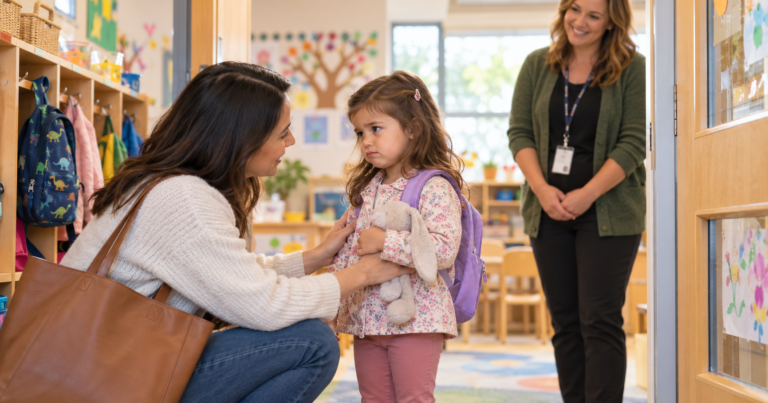
A child walks into daycare on Monday and quietly stands beside their parent.
They don’t say much.
They hold tightly to Mom’s hand.
When another child approaches, they look away and stay close to the person they know best.
A few months later, that same child is racing through the classroom to greet friends, inviting others to join a game, and proudly telling their teacher about their weekend.
I’ve seen this transformation happen countless times.
As a daycare owner and early childhood educator, one of the most rewarding parts of my job has been watching children grow socially. Parents often enroll their children hoping they’ll learn letters, numbers, and basic preschool skills.
What many don’t expect is how much growth happens in areas that aren’t listed on lesson plans.
Children learn how to join a group.
They learn how to make friends.
They learn how to solve disagreements.
They learn how to express emotions, share ideas, and build confidence.
These skills don’t happen overnight.
They develop through hundreds of small interactions that take place every day.
And that’s one of the most valuable benefits of quality daycare.
When parents think about preparing children for the future, academics often come to mind first.
But social skills play an equally important role.
A child who can communicate effectively, cooperate with others, and build positive relationships often has an easier time adjusting to preschool, kindergarten, and beyond.
Social development helps children:
These skills influence nearly every area of life.
In fact, some of the most successful children I’ve worked with weren’t necessarily the ones who learned letters fastest.
They were the children who felt comfortable interacting with others, asking questions, and participating in group activities.
This is why daycare social development is such an important topic for parents.
The benefits often extend far beyond the daycare years.
| Social Skill | How Daycare Supports It | Example |
|---|---|---|
| Communication | Group activities | Asking to join a game |
| Sharing | Shared resources | Taking turns with toys |
| Teamwork | Cooperative play | Building a block tower together |
| Empathy | Guided interactions | Comforting an upset friend |
| Problem Solving | Conflict resolution | Deciding who goes first |
| Emotional Regulation | Teacher support | Managing frustration during play |
Social development doesn’t happen all at once.
It changes as children grow.
Toddlers are still learning that other people have thoughts, feelings, and interests of their own.
At this stage, you may notice:
Many parents worry when toddlers don’t immediately play together.
That’s completely normal.
A toddler sitting next to another child and stacking blocks is already practicing important social skills.
Preschoolers begin developing more advanced social abilities.
You may notice:
This is often when parents start hearing names of classmates and stories about friendships.
It’s also when many children begin developing preschool social skills that prepare them for formal schooling.
One reason daycare social development happens so naturally is because children spend time interacting with others throughout the day.
Social learning isn’t limited to one activity.
It’s woven into daily experiences.
Children learn social skills every time they build together, play pretend, or explore activities as a group.
Art projects, music time, sensory play, and outdoor games create opportunities to communicate and cooperate.
Even simple routines teach social lessons.
Children learn to:
I’ve watched children work together to build block towers, complete puzzles, and create pretend worlds.
These moments teach cooperation in ways worksheets never could.
One of the most valuable daycare benefits is helping children practice patience.
Waiting for a toy or taking turns during activities may seem small, but these experiences help children develop self-control.
Disagreements happen.
And that’s not a bad thing.
When teachers guide children through conflicts, they learn skills they’ll use throughout life.
Children communicate constantly throughout the day.
They ask questions.
They express needs.
They tell stories.
They negotiate during play.
Every interaction strengthens communication skills.
Example: A child learns to ask, “Can I play too?” instead of grabbing a toy.
Daycare friendships often begin with simple shared experiences.
Building blocks together.
Eating lunch together.
Laughing during story time.
These connections teach children how relationships develop.
Confidence grows when children successfully interact with others.
I’ve seen shy children become much more comfortable speaking in groups after spending time in supportive daycare environments.
Many daycare learning activities involve cooperation.
Children learn that working together often produces better results than working alone.
One of the most beautiful moments in daycare is watching a child comfort a friend who’s upset.
Empathy develops through real experiences with real people.
Social situations create opportunities to solve problems.
Children learn how to:
Social interactions naturally create emotional challenges.
Children experience:
These experiences help build emotional development in children over time.
Parents interested in strengthening these skills at home may also enjoy 15 Emotional Regulation Activities for Preschoolers.
Some of the most important social lessons aren’t immediately obvious.
Years later, parents often realize their child learned how to:
These are life skills.
And they often begin with simple daycare moments.
A shared toy.
A classroom game.
A friendship formed over blocks and crayons.
Friendships aren’t just about having someone to play with.
They help children learn:
I’ve watched children become excited about daycare simply because they couldn’t wait to see a friend.
That motivation often encourages participation, confidence, and engagement.
Many parents assume friendships happen naturally.
The reality is that friendship-building is a skill.
Young children often begin by playing beside each other rather than together.
This is normal.
As children mature, they begin sharing ideas, materials, and goals.
Common interests often create the strongest connections.
Whether it’s dinosaurs, art, trucks, or pretend play, shared interests bring children together.
Teachers often help children learn friendship skills by modeling positive interactions.
One of the most rewarding parts of daycare social development is seeing the effects outside the classroom.
Parents often notice:
Children begin expressing needs more clearly.
Many children become more comfortable interacting with unfamiliar adults.
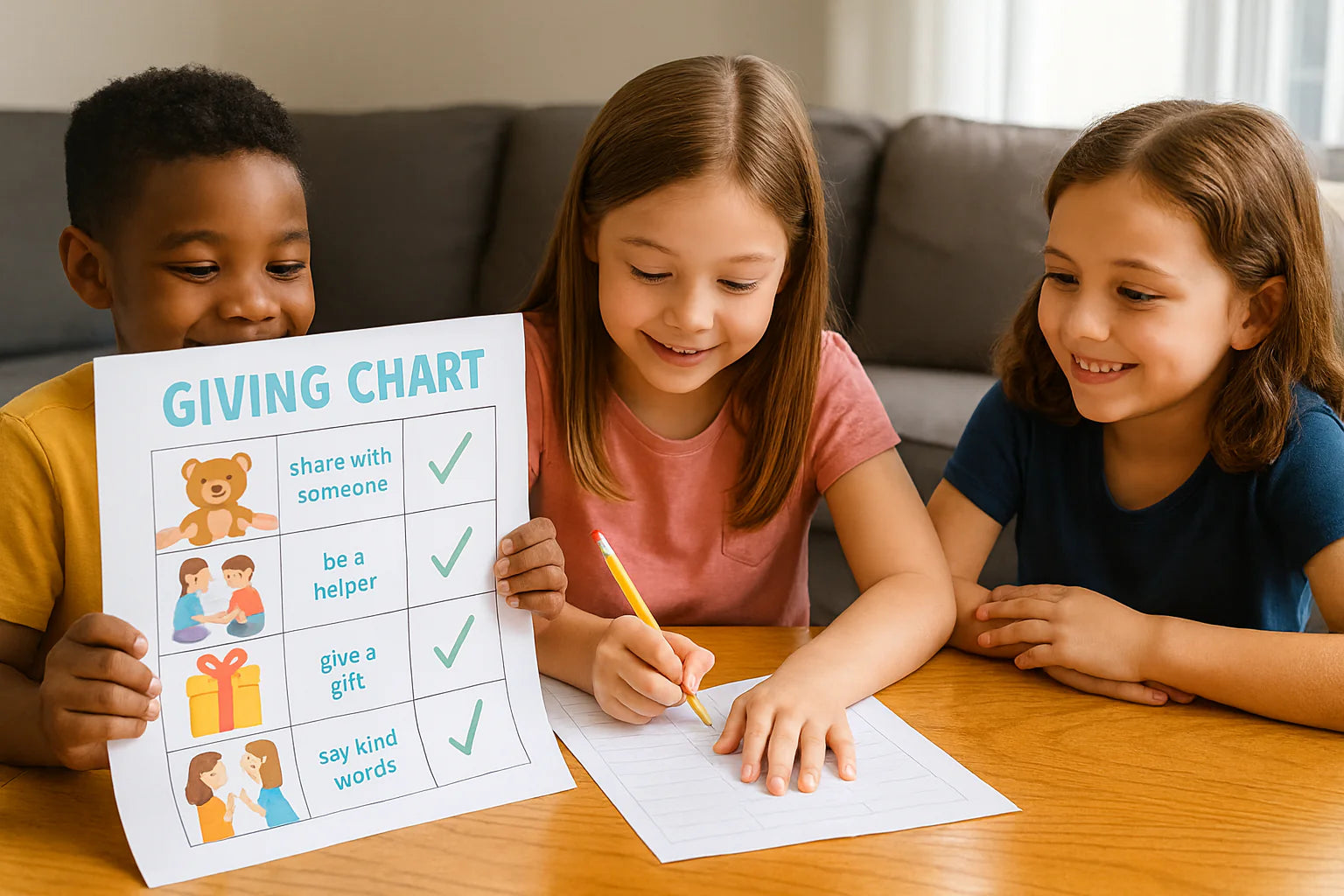
Children gradually learn that sharing doesn’t mean losing.
Waiting becomes easier with practice.
Children begin identifying feelings more effectively.
These changes may seem small individually, but together they represent significant growth.
Many shy children thrive in daycare.
They often simply need more time to warm up.
Independent play is normal and valuable.
Many children balance solitary and social play throughout development.
Sharing is a learned skill.
Few young children master it immediately.
This is often related to temperament rather than ability.
Some children observe first and participate later.
Most social development challenges improve with time, experience, and guidance.
However, additional support may be helpful if your child consistently:
If concerns arise, speaking with teachers and pediatric professionals can provide helpful guidance.
When parents think about daycare, they often picture activities, schedules, meals, and learning experiences.
Those things matter.
But some of the most important growth happens in moments that seem ordinary.
A child offering a toy to a friend.
A shy child saying hello first.
A disagreement that ends with a compromise.
A classroom friendship that begins during snack time.
These moments may seem small.
They’re not.
They’re helping shape how children communicate, connect, cooperate, and understand others.
The skills children develop through daycare social development don’t stay inside the classroom.
They follow children into preschool, elementary school, friendships, and eventually adulthood.
So if you’re wondering whether daycare is helping your child socially, pay attention to those little moments.
They often tell the biggest story.
Suggested Excerpt: Discover how daycare helps children build friendships, confidence, communication skills, and emotional intelligence through everyday interactions.
Yes. Daycare provides daily opportunities to communicate, cooperate, share, and build relationships with peers and caregivers.
Daycare offers gradual exposure to social situations in a supportive environment, helping shy children build confidence over time.
Children learn sharing, turn-taking, communication, empathy, cooperation, and conflict resolution.
Many children begin forming early friendships during the preschool years, although social connections can begin earlier.
Yes. Parallel play is a common developmental stage where children play beside each other before engaging in cooperative play.
Absolutely. Children communicate constantly throughout the day, which helps strengthen language and social communication skills.
Many social skills develop gradually. Consistent opportunities for interaction and support often lead to improvement.
Yes. Social interactions provide opportunities to learn emotional awareness and regulation.
Playdates, family activities, conversations, and modeling positive social behavior all help.
Yes. Early friendships help children practice communication, empathy, cooperation, and emotional understanding.