Physical Address
381 Myrtle Avenue, Brooklyn, NY 11205
Physical Address
381 Myrtle Avenue, Brooklyn, NY 11205
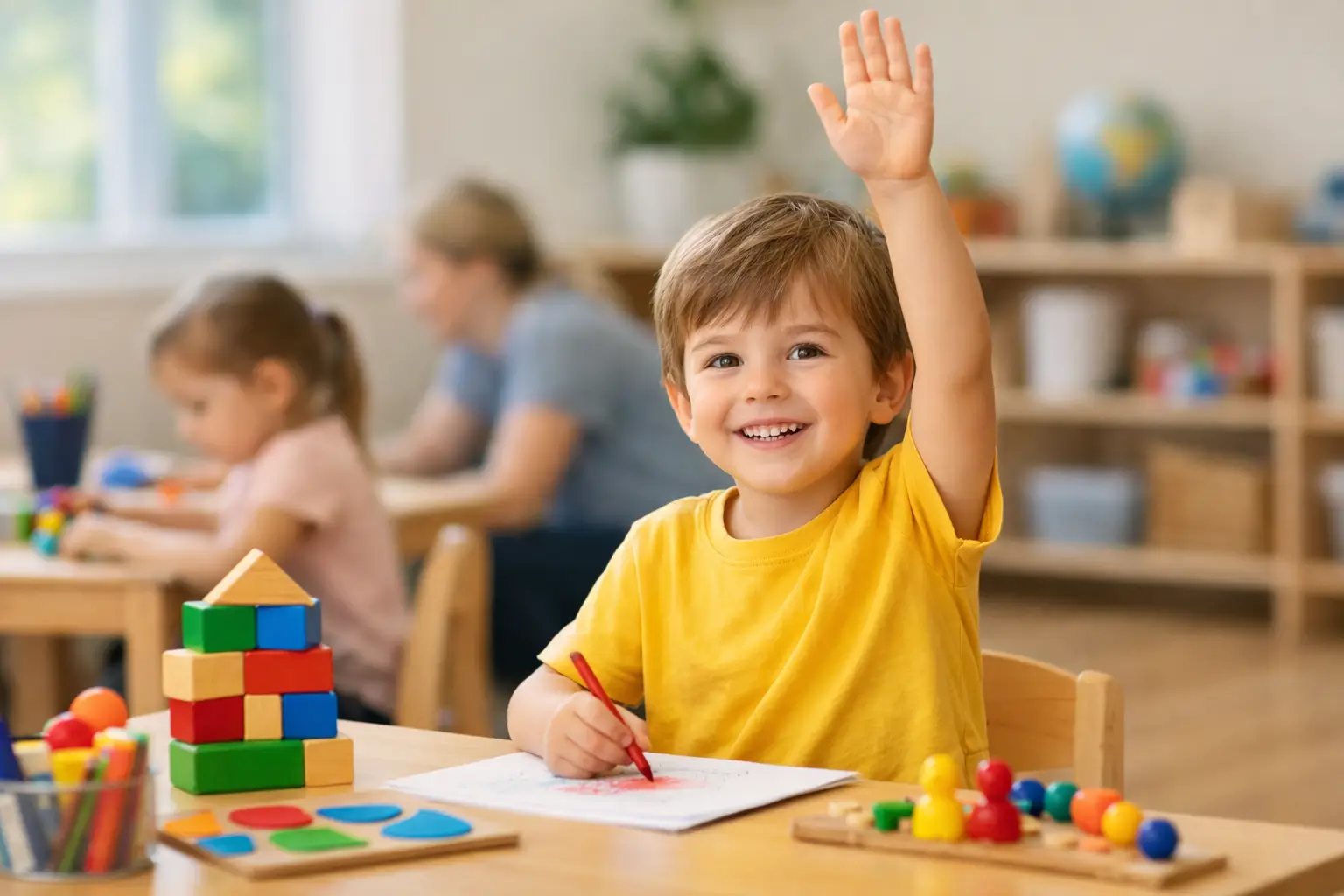
Learn the top preschool readiness skills that grow through play, routines, and guidance, helping children begin school with real confidence and curiosity.
A child does not need to arrive at preschool reading independently, writing their name perfectly, or sitting still for long stretches. The top preschool readiness skills are the everyday abilities that help children participate, connect, communicate, and keep trying when something feels new. They grow over time through warm relationships, playful practice, and plenty of chances to say, “I can try again.”
For families, preschool readiness can sometimes feel like a checklist with a deadline. But children develop at different rates, and readiness is not a pass-or-fail test. A child who needs extra support with transitions may be wonderfully curious. A child with advanced vocabulary may still be learning how to wait for a turn. Both are learning, and both belong.
Preschool readiness is less about memorizing facts and more about building the foundations for learning. Children benefit when they can express needs, take part in simple routines, explore materials, and begin to manage big feelings with caring adult support.
Academic experiences matter, too. Songs, stories, counting games, puzzles, drawing, and noticing letters all introduce early literacy and math concepts. Yet these skills are most meaningful when they are connected to play. A child measuring ingredients in pretend soup, sorting blocks by color, or retelling a favorite story is doing important preschool learning.
The goal is not to rush childhood. It is to help children feel secure enough to explore it.
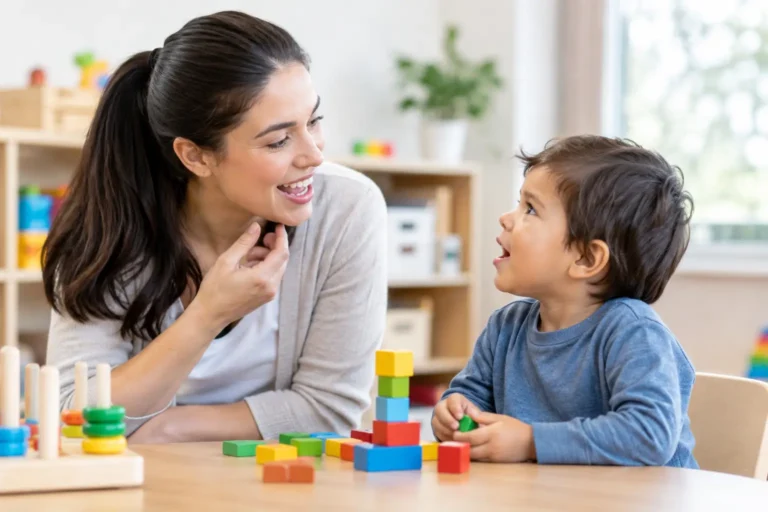
Children do not need perfect pronunciation or full sentences to be ready for preschool. They do benefit from having ways to communicate. This can include using words, gestures, signs, pictures, or a combination of these tools to ask for help, make a choice, and share when something is wrong.
At home, invite your child into small conversations throughout the day. Instead of asking only questions with one-word answers, try, “What was your favorite part of the park?” or “How do you think we can fix this?” Give them time to respond. Some children need a quiet pause before their thoughts come together.
Naming emotions is also powerful. “You look disappointed that playtime is over” helps a child connect a feeling to language. Over time, that language can replace some frustration-driven behavior with a request for comfort, help, or another turn.
Starting preschool often includes a new drop-off routine, unfamiliar adults, and a room full of peers. Feeling nervous during this transition is normal. Readiness does not mean a child never cries at goodbye. It means they are gradually learning that their trusted adult leaves, caring teachers stay close, and reunions happen.
Practice brief separations with people your child knows well when possible. Create a consistent goodbye ritual, such as a hug, a short phrase, and a wave at the door. Long, uncertain goodbyes can make the moment harder for everyone. Calm confidence from a parent communicates, “You are safe, and I will come back.”
If separation anxiety lasts beyond the first adjustment period or feels especially intense, individualized planning can help. A responsive classroom should work with families, not expect every child to adjust on the same timetable.
Preschool days have a rhythm: arrival, play, cleanup, snack, outdoor time, stories, rest, and more play. Children feel more confident when they can anticipate what comes next and follow one- or two-step directions with support.
You can build this skill during ordinary moments. “Please put your shoes by the door, then choose a book” offers a manageable two-step task. Use simple, positive wording and notice effort: “You remembered both steps.” Visual routines can be especially helpful for children who are still developing language or who find transitions challenging.
Cleanup is a readiness skill worth practicing. It is not about having a spotless playroom. It is about learning shared responsibility and recognizing that one activity can end before another begins. A cleanup song or a playful challenge can make the task feel like part of the fun.
Social development in the preschool years is wonderfully uneven. Some children eagerly join a group, while others watch first. Some are ready for cooperative pretend play; others are still most comfortable playing beside peers with their own materials. Both can be developmentally appropriate.
Helpful preschool readiness skills include taking turns, noticing another child’s feelings, asking to join play, and beginning to solve small conflicts with adult guidance. These are learned through repetition, not lectures.
Offer simple language your child can use: “Can I have a turn when you are done?” “I was using that.” “Let’s build it together.” When conflict happens, resist the urge to solve everything immediately. Stay close, name the problem, and help children practice a next step. They are learning that disagreement does not have to end connection.
Preschool teachers support children with many daily tasks, so no child needs to be fully independent before their first day. Still, practicing self-help skills helps children feel capable and makes routines smoother.
Start with manageable responsibilities: pulling pants up and down, washing hands, attempting to put on shoes, opening a lunch container, using a tissue, and putting belongings in a cubby or backpack. Choose clothing and containers your child can reasonably manage. A difficult zipper is not a character-building challenge at 8:15 in the morning.
Allow extra time for practice. It can be faster to do everything for a child, especially on a busy morning, but trying is how skills grow. Offer help in layers: “Try the first part, and I will help with the last part.” This protects confidence while keeping frustration from taking over.
Fine motor skills support drawing, using crayons, turning pages, building, feeding oneself, and eventually writing. Children strengthen these muscles through play, not endless worksheets. Play dough, stickers, large beads, tongs, puzzles, tearing paper, painting, and building with blocks all count.
Gross motor development matters just as much. Running, climbing, balancing, dancing, kicking a ball, and navigating playground equipment help children understand where their bodies are in space. Movement also supports attention, emotional regulation, and confidence.
If your child avoids certain textures, seems unusually frustrated by tools, trips often, or has difficulty with tasks that peers manage easily, bring your observations to their pediatrician or early childhood educator. Seeking guidance is not labeling a child. It is a caring way to understand what support may make daily life easier.
A preschool-ready child does not need to focus quietly for an hour. Young children learn in short bursts, especially when they are interested. What matters is their growing ability to stay with an activity, return after a setback, and explore a question.
Read together every day, even if your child wiggles, interrupts, or wants the same book again. Ask what they notice in the pictures. Let them finish a familiar phrase. Count steps to the bathtub, compare which tower is taller, and wonder out loud about clouds, bugs, and shadows.
When something is hard, use growth-minded language. Rather than saying, “You are so smart,” try, “You kept working until that piece fit,” or “You have not figured it out yet.” This shifts the focus from getting an immediate right answer to building the confidence to keep learning.
The most useful preparation is often simple: establish a predictable bedtime when possible, practice the morning routine, visit the school or look at photos of the classroom, and talk about what the day may include. Read books about starting school, but leave room for honest feelings. Your child may feel excited and worried at the same time.
Avoid turning every home moment into a lesson. Children need free play, rest, silliness, and time to follow their own interests. A cardboard box can become a bus, a veterinarian clinic, or a rocket ship, all while practicing language, collaboration, planning, and flexible thinking.
At Growth Mindset Learning Lab, we believe readiness is built in relationship. Children thrive when adults notice their strengths, support their next steps, and celebrate progress that may be invisible to anyone else. The child who says goodbye with fewer tears, asks a friend to play, or tries a new tool is showing real growth.
Your child does not need to be finished growing before preschool begins. They only need a caring place to practice being themselves, trying new things, and discovering the power of yet.