Physical Address
381 Myrtle Avenue, Brooklyn, NY 11205
Physical Address
381 Myrtle Avenue, Brooklyn, NY 11205
Understand preschool vs prekindergarten differences, from age and learning goals to readiness, so you can choose a supportive next step for your child.
Your child may be happily building block towers, asking big questions, and learning to manage a backpack – yet choosing the next classroom can still feel surprisingly complicated. Understanding preschool vs prekindergarten differences can help you look beyond the program name and focus on what will best support your child’s confidence, curiosity, and growth right now.
The most reassuring answer is that preschool and pre-K are not competing paths. Both can offer meaningful play, caring relationships, and early learning experiences. The difference usually comes down to age, developmental focus, and how directly the program prepares children for kindergarten.
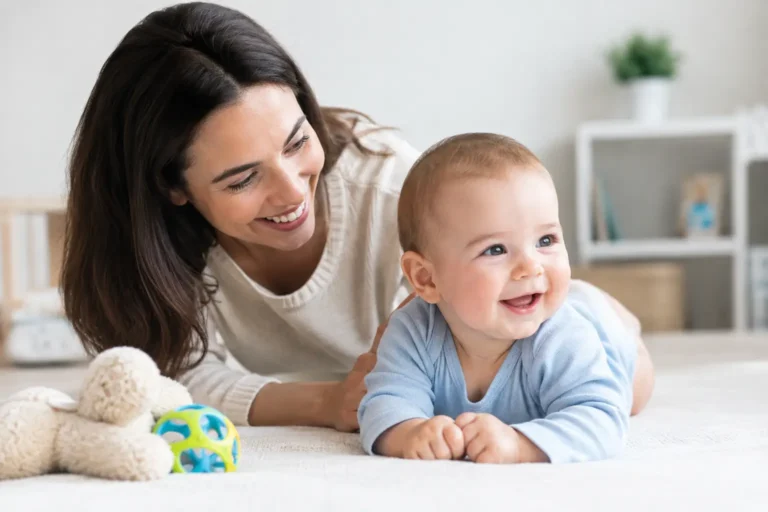
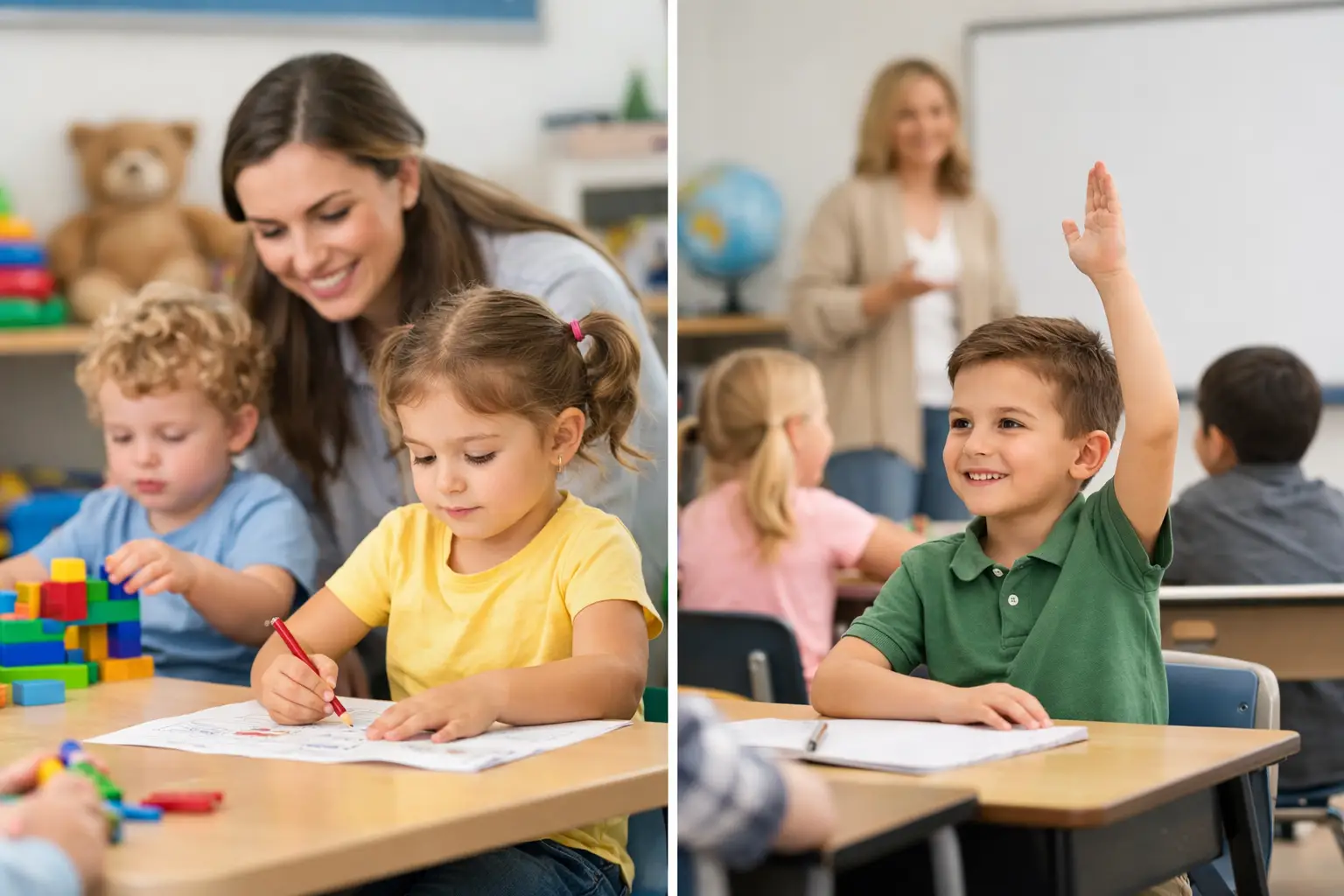
Preschool generally serves children between ages 2 and 4, although age ranges vary by program. It is often a child’s first structured group-learning experience outside the home. The focus is broad and foundational: learning through play, communicating needs, building relationships, strengthening motor skills, and becoming comfortable with routines.
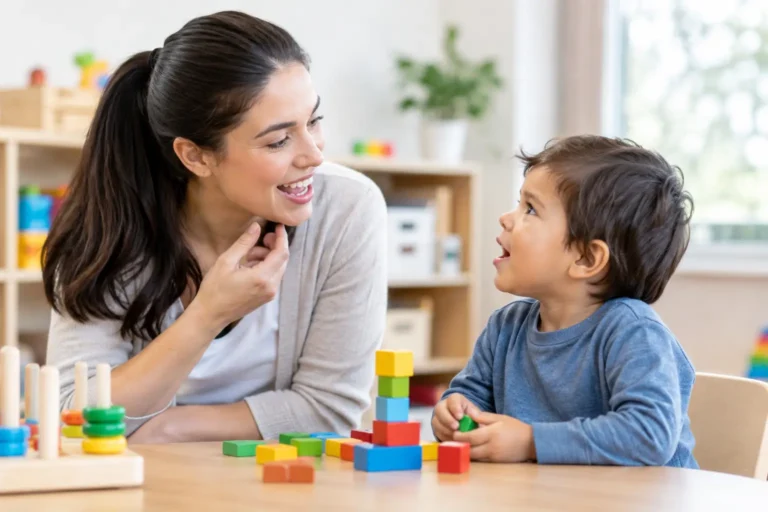
Prekindergarten, often called pre-K, most commonly serves 4-year-olds in the year before kindergarten. While play should still be central, pre-K tends to have a more intentional kindergarten-readiness focus. Children practice following multi-step directions, participating in longer group activities, using early literacy and math concepts, and growing more independent with everyday tasks.
That said, a child’s birthday does not tell the whole story. Some 4-year-olds thrive in a preschool setting that gives them more time for foundational social and emotional development. Some younger children are ready for a pre-K-style classroom experience. The strongest placement considers the whole child, not just the number on a birthday cake.
Preschool is where many children begin to see themselves as members of a learning community. They learn that they can try a new material, make a mistake, ask for help, and try again. Those early experiences matter because confidence and persistence are part of school readiness, too.
A quality preschool program typically uses hands-on play to build skills. At the sensory table, children may scoop, pour, compare, and describe. In dramatic play, they negotiate roles, use language, and practice empathy. During art, they strengthen hand muscles and make choices. Story time builds listening, vocabulary, and a love of books without turning every moment into a lesson worksheet.
Preschool educators also spend meaningful time supporting self-regulation. A child might practice waiting for a turn, moving from one activity to another, naming a feeling, or recovering after disappointment. These are big tasks for young children. They deserve patient guidance, not pressure to get everything right immediately.
Children may work on recognizing their name, exploring colors and shapes, counting during play, singing rhymes, and using scissors or crayons. Just as importantly, they learn to wash hands, clean up materials, use words with friends, and separate from a caregiver with growing security.
The goal is not to rush children into formal academics. It is to create a strong base for future learning by making exploration feel safe, joyful, and worthwhile.
Pre-K builds on the foundation children have developed in preschool. The classroom may have more predictable routines, longer small-group experiences, and activities designed to help children connect ideas over time. Teachers still follow children’s interests, but they also intentionally prepare them for the expectations they are likely to meet in kindergarten.
For example, pre-K children may listen to a story and talk about characters, sequence the events, or draw a response. They may sort objects, compare quantities, identify patterns, and use counting in meaningful classroom situations. They may practice hearing beginning sounds in words, recognizing letters, and writing their names or attempting other familiar words.
Pre-K also supports practical independence. Children often have more opportunities to manage a jacket, open a lunch container, care for personal belongings, use the bathroom independently when developmentally appropriate, and complete a classroom job. These routines help children enter kindergarten knowing they can participate in the day with growing confidence.
A thoughtful pre-K classroom does not treat kindergarten readiness as a race. Memorizing letters or completing a page of work is only one small piece of readiness. A child who is curious, able to communicate, willing to try, and supported in managing emotions has valuable tools for the transition ahead.
Families sometimes assume that turning 4 automatically means a child should move into pre-K. In reality, enrollment cutoffs, classroom expectations, and program names differ across states, school districts, and private centers. Some programs use “preschool” as an umbrella term for ages 2 through 5. Others divide classrooms into preschool, junior pre-K, and pre-K.
Development is also wonderfully uneven. A child may recognize every letter but still need more support joining peer play. Another child may be deeply social and independent but need more time with early language or fine-motor skills. Neither child is behind. They are showing educators where responsive support can make the biggest difference.
When considering a classroom, ask how teachers observe children and adapt their approach. Small-group experiences, individualized encouragement, and regular family communication can be far more meaningful than a label on the classroom door.
Start by looking at your child’s daily experience. Do they enjoy being with peers? How do they respond to transitions? Are they beginning to communicate needs, participate in routines, or show interest in stories, numbers, building, art, or pretend play? These observations offer useful clues, but they are not a test your child must pass.
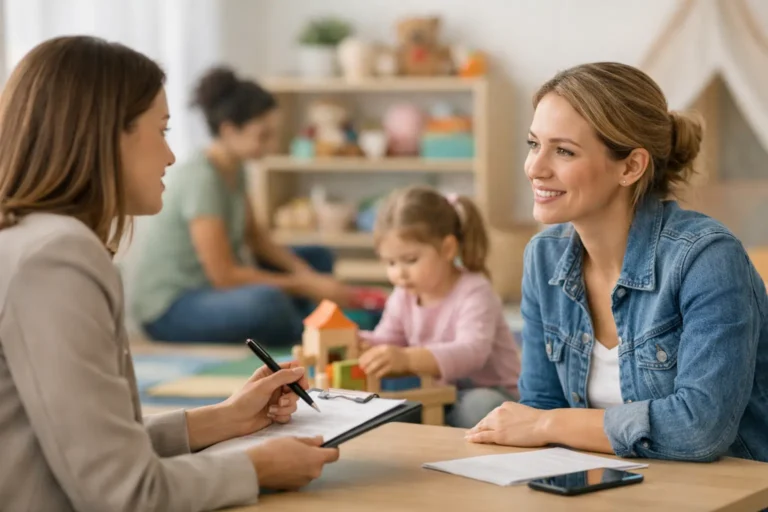
As you visit programs, listen for how educators talk about children. A child-centered program should describe learning in terms of growth, relationships, and individual progress, not just what children are expected to produce. You should feel that your child will be known, welcomed, and encouraged.
It can help to ask these questions during a tour or conversation:
Also consider the practical fit. A wonderful curriculum is more helpful when it is paired with dependable care, a schedule that works for your family, and a staff team your child can build trusting relationships with. Consistency gives young children the emotional safety to explore and learn.
It is easy to focus on whether a child can count to 20, identify letters, or write a name. Those skills can be useful, but kindergarten teachers also look for children who can engage with others, communicate needs, handle routines, and keep trying when something feels difficult.
A growth-minded learning environment helps children build these habits naturally. When a block structure falls, a teacher can say, “You worked hard on that. What could you try next?” When a child says, “I can’t do it,” the response can become, “You can’t do it yet.” These small moments teach children that effort, strategies, and support help them grow.
At Growth Mindset Learning Lab, this belief guides how children are encouraged across early learning stages. Milestones are celebrated, but so is the process behind them: the brave first attempt, the repaired friendship, the question asked, and the persistence shown after a challenge.
The right choice between preschool and pre-K is the one that meets your child with warmth, appropriate challenge, and confidence in their potential. Children do not need to arrive perfectly prepared. They need caring adults who notice who they are, honor their pace, and give them plenty of chances to learn through play.
As you consider the next step, look for a classroom where your child can feel safe enough to be curious, supported enough to take risks, and proud of the progress they make one day at a time.