Physical Address
381 Myrtle Avenue, Brooklyn, NY 11205
Physical Address
381 Myrtle Avenue, Brooklyn, NY 11205

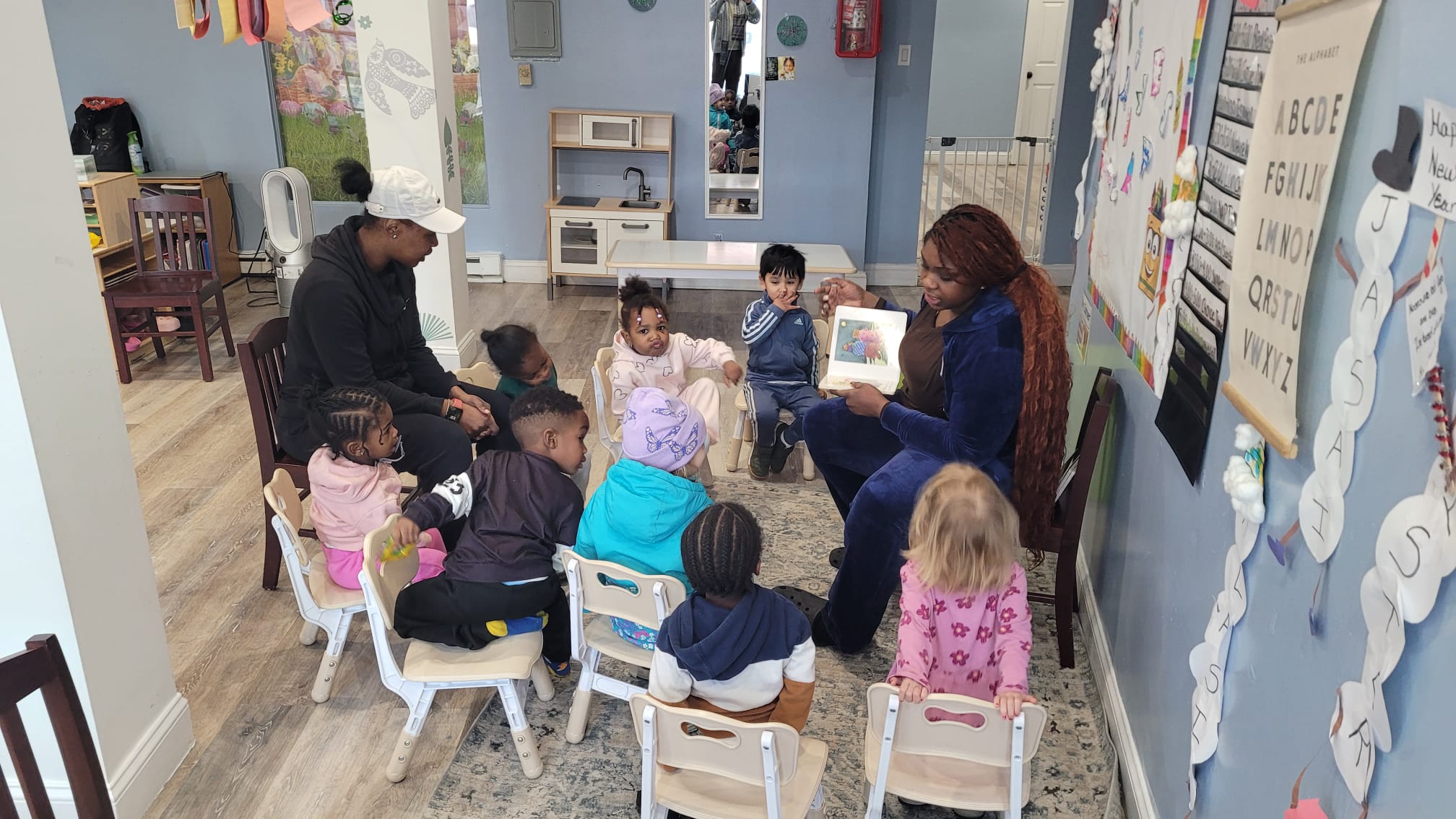
For many parents, the hardest part of daycare isn’t the drop-off.
It’s the wondering.
You buckle your child into their car seat, carry them into the classroom, say goodbye, and then spend the next few hours asking yourself questions.
Are they still crying?
Did they make friends?
Did they eat lunch?
Are they having fun?
Are they learning anything?
As a daycare owner, I’ve had countless parents ask me what really happens after they leave.
And honestly, I understand why.
Leaving your child in someone else’s care is a big step.
The good news is that most daycare days are filled with far more learning, laughter, friendship, and growth than many parents realize.
In fact, some children who cry during drop-off are happily painting, building block towers, and playing with friends just minutes later.
If you’ve ever wondered what a typical day at daycare looks like, this guide will walk you through it step by step and help you understand how daycare supports your child’s development from morning drop-off to afternoon pick-up.
One of the first things parents notice when visiting a quality daycare is structure.
Children thrive when they know what comes next.
Predictable routines help create emotional security because children don’t have to constantly wonder what’s happening.
Think about how you feel when you know your daily schedule.
Children benefit from the same sense of predictability.
A consistent daycare routine helps children:
Many parents are surprised by how quickly children learn classroom routines.
Even children who struggle during the first few weeks often begin anticipating activities and transitions as they become familiar with the daycare daily schedule.
This is one reason children who experience daycare adjustment challenges often improve over time.
If your child is currently struggling with transitions, you may also find our guide on How to Reduce Separation Anxiety at Daycare: A Parent’s Guide helpful.
Every center is slightly different, but most daycare schedules follow a similar pattern.
The day begins with arrivals.
Some children enter confidently.
Others need extra hugs and reassurance.
Teachers greet children, help them settle in, and guide them toward morning activities.
You might see children:
This period helps children transition smoothly into the day.
One thing I’ve noticed over the years is that many children stop crying much sooner than parents expect.
Sometimes within just a few minutes.
Food does more than fill hungry stomachs.
Meal times teach valuable life skills.
Children practice:
Teachers often use snack time to encourage communication and independence.
Circle time is often one of the most loved parts of the daycare routine.
Children gather together for:
Circle time helps children learn how to listen, participate, and engage in group activities.
It’s also where many friendships begin.
This is where daycare learning activities really shine.
Contrary to what some people believe, learning at daycare doesn’t look like sitting at desks.
Children learn through play.
Activities may include:
The goal is not academic pressure.
The goal is curiosity and exploration.
Ask most children their favorite part of the day and outdoor play usually ranks near the top.
Outdoor activities help children:
You’ll often find children:
Outdoor play supports both physical and emotional development.
Lunch is about much more than eating.
Children learn:
Teachers encourage children to try new foods while keeping mealtimes positive and relaxed.
Many parents wonder whether their child actually naps at daycare.
The answer varies.
Some children sleep.
Some rest quietly.
Some look through books.
Even children who no longer nap benefit from downtime.
A quieter environment helps children recharge for the afternoon.
Afternoons often include additional daycare activities such as:
This part of the day tends to feel more relaxed while still providing valuable learning opportunities.
Stories play an important role in early childhood education.
Reading helps build:
Many classrooms include multiple story sessions throughout the day.
The final part of the day is often filled with excitement.
Children reunite with parents and proudly share artwork, stories, and classroom experiences.
Some children are ready to go home.
Others are so engaged in activities that they don’t want to leave.
That alone tells many parents something important.
Parents often focus on academic learning.
While academics matter, daycare teaches much more.
Children learn how to:
Children practice expressing needs, asking questions, and participating in conversations.
Daycare provides opportunities to manage disappointment, frustration, excitement, and other emotions.
Activities such as drawing, cutting, and building strengthen hand muscles.
Children constantly solve problems during play.
Simple tasks help children build confidence and self-reliance.
For parents preparing for preschool, our article 25 Preschool Readiness Skills Every Child Should Master Before School Starts explores many of these important developmental skills.
Confidence develops through experience.
I’ve seen shy children gradually become classroom leaders.
I’ve watched hesitant toddlers learn to make friends.
I’ve observed children who once needed help with every task become remarkably independent.
Confidence grows when children:
These everyday experiences create powerful growth opportunities.
This is one of the most common concerns.
If your child struggles with separation, read Why Toddlers Cry at Daycare Drop-Off and What Parents Can Do.
Friendships develop gradually.
Many children begin with parallel play before building deeper social connections.
Children often eat differently at daycare than they do at home.
Peer influence can actually encourage healthy eating habits.
Some children nap better at daycare.
Others take time to adjust.
Most children need an adjustment period.
This doesn’t mean something is wrong.
If you’re concerned about readiness, our article 7 Signs Your Child Is Ready for Preschool According to Early Childhood Experts can help.
Wondering if daycare is going well?
Look for signs such as:
These signs often develop gradually.
Choosing a daycare is a major decision.
Consider asking:
You may also enjoy What Preschool Teachers Wish Every Parent Knew Before the First Day for additional insight into classroom expectations.
If you’re preparing for daycare or your child has recently started, it’s normal to feel nervous.
Most parents do.
You’re trusting other people with someone who means everything to you.
That’s a big step.
But here’s what I’ve learned after years of watching children grow in daycare settings.
Children are often more capable than we give them credit for.
They adapt.
They learn.
They build friendships.
They discover new interests.
And little by little, they gain confidence.
The child who cried during drop-off last month may be the same child who proudly shows you a painting, tells you about a new friend, and can’t wait to return tomorrow.
Trust the process.
Ask questions.
Stay connected with your child’s teachers.
And remember that a quality daycare program is doing much more than supervising children.
It’s helping them build the skills they’ll carry into preschool, school, and beyond
Most daycare programs include free play, learning activities, meals, outdoor play, rest time, and structured group activities.
Many children adjust within a few weeks, although some need longer.
Yes. Children learn social, emotional, language, cognitive, and physical skills through play and daily experiences.
Daycare provides valuable opportunities to practice communication, cooperation, and friendship skills.
This is very common and often improves as children become familiar with the environment.
Most quality programs include daily outdoor play whenever weather permits.
Not necessarily. Many centers offer quiet time for children who no longer nap.
Children develop communication, emotional regulation, independence, problem-solving, and social skills.
Most programs use positive guidance strategies that teach children appropriate behavior.
Requirements vary, but commonly include extra clothing, comfort items, diapers if needed, and lunch or snacks.