Physical Address
381 Myrtle Avenue, Brooklyn, NY 11205
Physical Address
381 Myrtle Avenue, Brooklyn, NY 11205

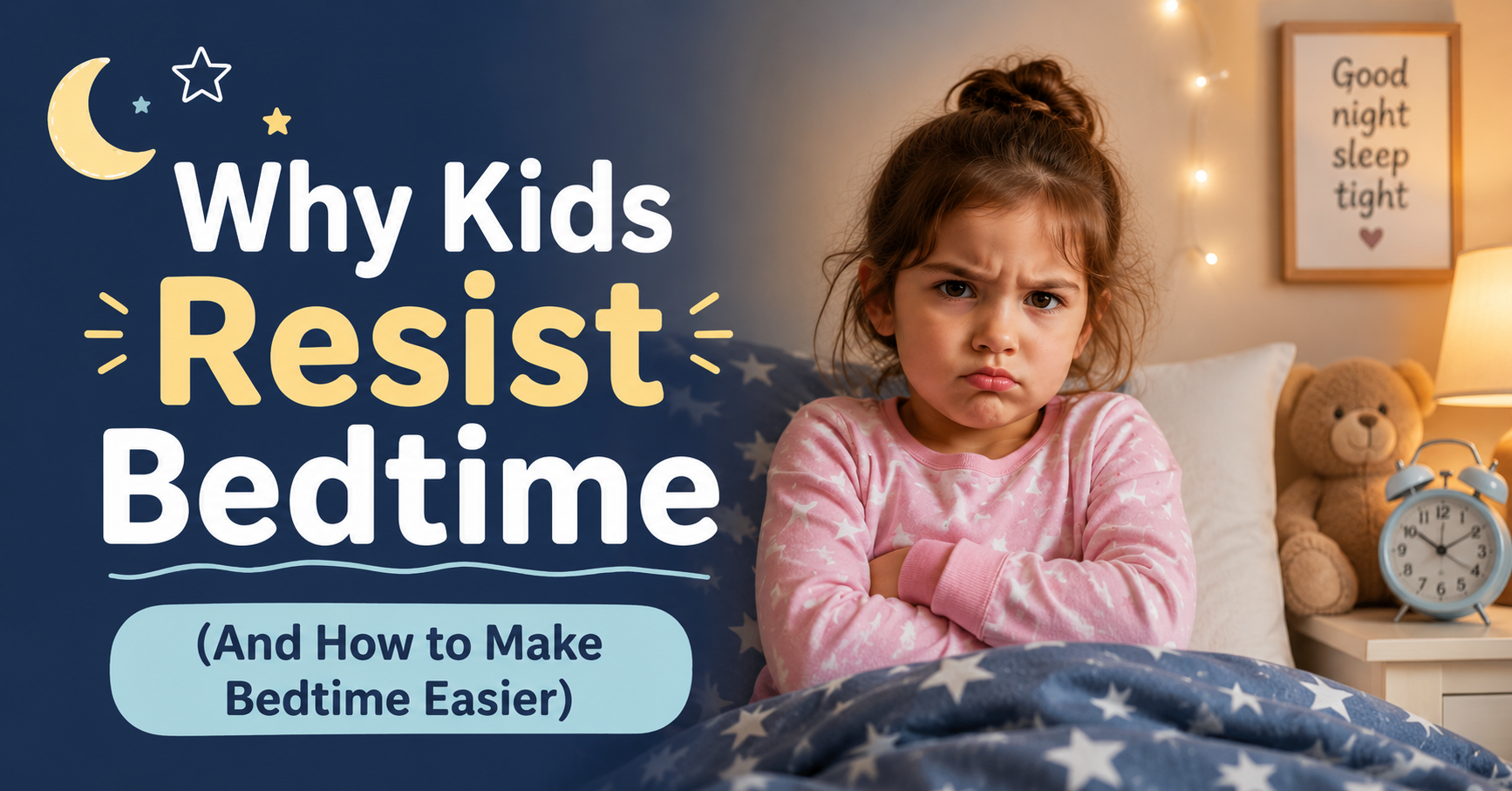
Few parenting struggles feel as exhausting as bedtime battles.
You finally reach the end of a long day, hoping for a calm evening and rest ahead. But instead, bedtime turns into endless delays, frustration, tears, negotiations, or emotional meltdowns.
“I’m not tired.”
“One more story.”
“I need water.”
“I can’t sleep.”
“I’m scared.”
Many parents experience the same cycle night after night and begin wondering:
“Why does my child fight bedtime so much?”
The truth is that bedtime resistance is extremely common in children. In many cases, children are not simply trying to be difficult. Emotional overload, overstimulation, anxiety, inconsistent routines, and developmental factors often play a major role.
Understanding why children resist sleep can help parents create calmer and healthier bedtime experiences for the entire family.
Sleep requires children to slow down emotionally, mentally, and physically.
For many children, this transition feels difficult.
Throughout the day, children experience:
At bedtime, the brain suddenly shifts from constant stimulation to quietness.
This is often when emotions, worries, fears, and overstimulation begin surfacing more strongly.
Understanding the root causes can help parents respond more effectively instead of turning bedtime into a nightly power struggle.
Surprisingly, exhausted children do not always become calm and sleepy.
Many become:
When children stay awake too long, stress hormones can increase, making it harder for them to settle down and sleep peacefully.
Bedtime is often the first quiet moment children experience all day.
Emotions that were ignored or suppressed throughout the day may suddenly appear at night.
Some children begin:
This emotional release is especially common in emotionally sensitive children.
Nighttime can increase anxiety for some children.
Common fears include:
Even children who seem confident during the day may become emotionally vulnerable at night.
Screens stimulate the brain and make emotional decompression harder.
Excessive evening screen exposure may increase:
The nervous system often needs quiet, calming transitions before bedtime.
Children feel emotionally safer when routines feel predictable.
When bedtime schedules constantly change, children may struggle more with transitions and emotional regulation.
Consistency helps the brain prepare for sleep.
Some children show clear signs that their nervous system is overwhelmed before bedtime.
These signs may include:
Many parents mistake these behaviors for stubbornness when they are often signs of emotional or physical exhaustion.
Certain responses can unintentionally increase bedtime resistance.
Constant arguments, threats, or frustration often increase emotional tension around sleep.
Children may begin associating bedtime with stress instead of safety and calmness.
Loud environments, intense activities, or heavy screen use before bed can make emotional regulation harder.
The brain needs gradual calming before sleep.
Yelling increases stress hormones and emotional dysregulation.
Children who already feel emotionally overwhelmed may struggle even more after emotionally intense interactions.
If bedtime expectations constantly change, children may continue testing boundaries because routines feel unpredictable.
Consistency helps children feel secure.
Consistent routines help children feel emotionally safe.
Helpful bedtime routines may include:
Predictable routines help the brain transition toward rest.
Reducing screen time at least 1–2 hours before bed may improve:
Replacing screens with calming activities often helps significantly.
Many children seek connection before sleep.
Simple bedtime connection moments matter deeply:
Children often settle more easily when they feel emotionally secure.
Some bedtime struggles happen because emotions have been building all day.
Encourage regular emotional conversations during the day by asking:
Helping children process emotions earlier may reduce nighttime emotional overload.
Children often sleep better when bedtime happens before extreme exhaustion sets in.
Pay attention to:
These may signal that bedtime needs adjustment.
Children regulate emotions better in calm environments.
Soft lighting, slower routines, and peaceful transitions help signal safety and relaxation to the nervous system.
Children should gradually learn that bedtime is safe, calm, and comforting.
Positive sleep associations help reduce bedtime anxiety over time.
Sleep strongly affects:
Children who regularly lack quality sleep may struggle more with:
Healthy sleep supports emotional resilience and overall development.
Bedtime struggles are common during childhood.
However, parents may consider additional support if:
Persistent sleep struggles may sometimes require professional guidance.
Bedtime resistance is often about much more than simply “not wanting to sleep.”
For many children, bedtime brings emotional vulnerability, overstimulation, anxiety, exhaustion, and difficulty transitioning from busy days into calmness.
Understanding the emotional side of bedtime can help parents respond with greater patience, consistency, and empathy.
Small changes in routines, emotional connection, and calming strategies can gradually transform bedtime from a nightly battle into a more peaceful experience for the entire family.
Children may resist bedtime due to overstimulation, emotional overload, anxiety, inconsistent routines, or overtiredness.
Overtiredness can increase stress hormones, making children appear more restless, emotional, or hyperactive instead of sleepy.
Yes. Excessive screen exposure before bed can overstimulate the brain and make emotional regulation and sleep more difficult.
Consistent routines, emotional connection, calm environments, and reduced stimulation before bed often help significantly.
Yes. Many children experience nighttime fears or anxiety occasionally, especially during stressful or emotionally overwhelming periods.