Physical Address
304 North Cardinal St.
Dorchester Center, MA 02124
Physical Address
304 North Cardinal St.
Dorchester Center, MA 02124

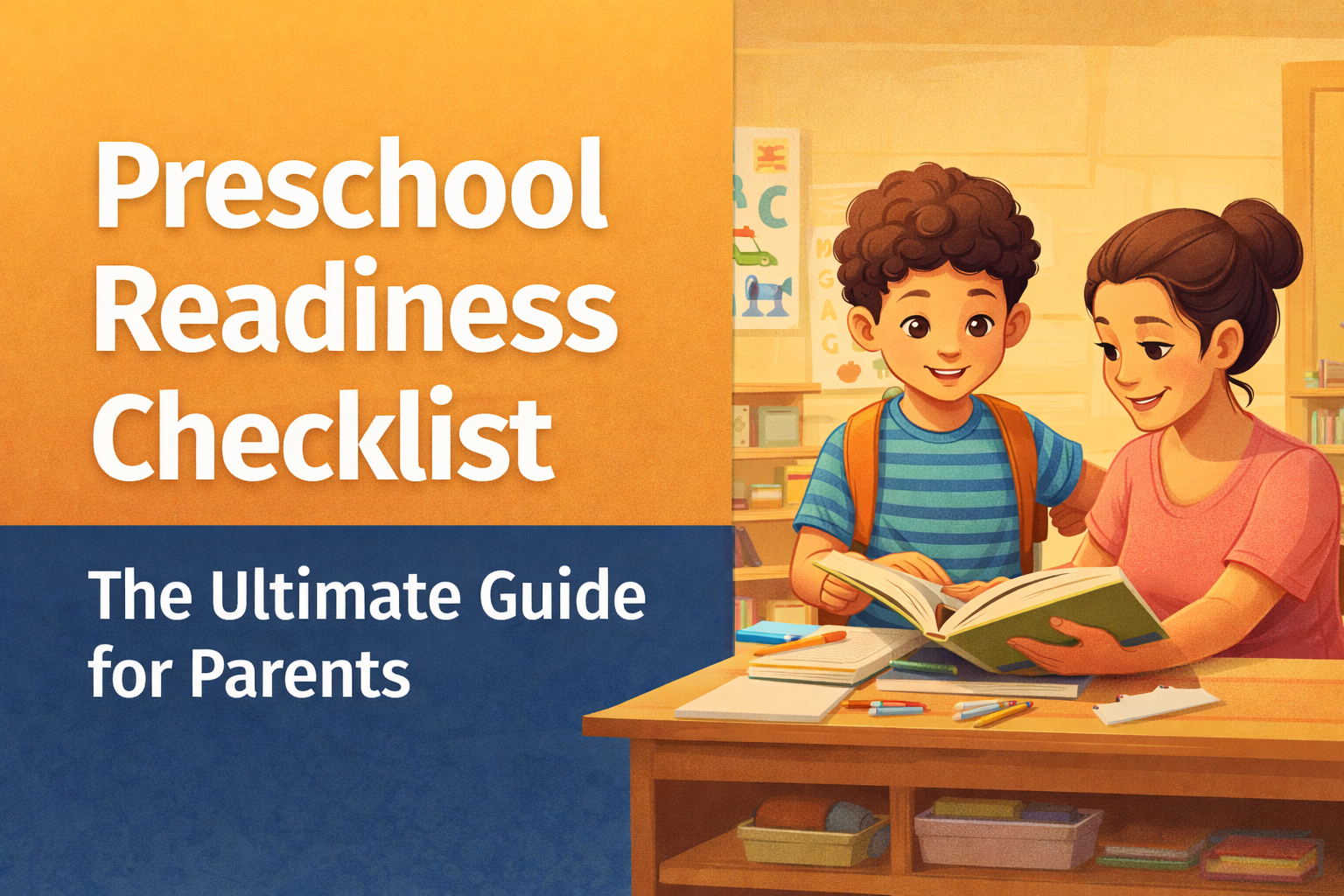
Preparing your child for preschool is one of the most important milestones in early childhood development. It’s not just about academics, it’s about building confidence, independence, emotional stability, and social skills that will shape your child’s lifelong learning journey.
If you’ve been searching for a preschool readiness checklist that actually works, this guide will walk you through everything you need to know, step by step. Whether your child is starting preschool soon or you’re planning ahead, this article is designed to help you feel confident, informed, and prepared.
By the end of this guide, you’ll know exactly what skills your child needs, how to support them at home, and how to ensure a smooth transition into school life.
Preschool readiness goes far beyond knowing ABCs and counting numbers. It includes a combination of:
According to research from Harvard Center on the Developing Child, early experiences shape brain development significantly, meaning that preparing your child early gives them a strong advantage.
Preschool-ready children are not perfect. They are simply children who can adapt, communicate, and engage with their environment in a healthy way.
Children who are well-prepared for preschool tend to:
Studies from National Institute for Early Education Research highlight that early readiness significantly impacts long-term academic success.
This is why having a structured checklist is so powerful. It removes guesswork and gives you a clear roadmap.
Here’s a comprehensive checklist broken into key developmental areas.
Your child should be able to:
These skills are crucial because preschool is highly social.
How to build this at home:
For more strategies on emotional development, explore this helpful internal guide: Is My Child Emotionally Ready for Preschool? What Parents Actually Need to Know
Your child should be able to:
Language is the foundation of learning.
According to American Academy of Pediatrics, daily conversation and reading are the most effective ways to boost language skills.
How to support this:
You can also explore: How to Prepare Your Toddler for Preschool: Emotional, Social, and Practical Tips
Your child does NOT need to be academically advanced, but should:
Important: Preschool is where learning begins, not where it should already be mastered.
Fun ways to build these skills:
Your child should be able to:
Fine Motor Skills
Gross Motor Skills
These skills help children engage fully in classroom activities.
For additional expert guidance, check CDC Child Development
One of the most overlooked areas of readiness.
Your child should be able to:
Why this matters:
Teachers cannot provide one-on-one care constantly, so independence is essential.
Practice at home:
Preschool involves structure and routines.
Your child should:
You can build this skill through:
It’s completely okay if your child is not fully ready. Every child develops at their own pace.
Watch for:
If you notice these signs, consider gradual preparation or consult early childhood professionals.
Familiarity reduces anxiety.
Avoid fear-based language. Make it exciting.
Let your child try things on their own.
Stories help children emotionally prepare.
For mindset-based preparation, explore: 10 Literacy Activities for Preschoolers
Avoid these pitfalls:
Preschool readiness is about balance, not perfection.
According to UNICEF, supportive environments at home are one of the strongest predictors of school success.
Preparing your child for preschool is not about rushing development. It’s about equipping them with the confidence, independence, and social skills they need to thrive.
This preschool readiness checklist gives you a clear, structured approach to support your child every step of the way.
Remember, every child is unique. Progress may look different, and that’s perfectly okay.
What matters most is consistency, patience, and creating a positive learning environment at home.
Most children are ready between ages 3 and 4, but readiness depends more on development than age.
No. Preschool is designed to teach foundational literacy skills.
This is normal. Most children adjust within a few days to weeks.
Start with small social interactions and gradually increase exposure.
Typically 2 to 4 weeks, depending on the child.