Physical Address
304 North Cardinal St.
Dorchester Center, MA 02124
Physical Address
304 North Cardinal St.
Dorchester Center, MA 02124


Many parents describe the same confusing experience.
Their toddler’s daycare reports are positive.
No crying.
Good participation.
A “great day.”
Then they get home — and everything falls apart.
Tears over nothing.
Sudden anger.
Clinginess.
Refusal to eat.
Meltdowns that seem to come out of nowhere.
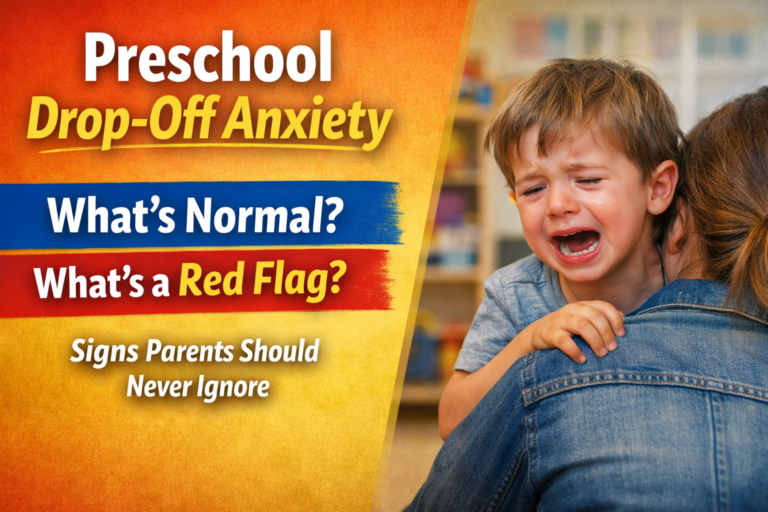
These after-daycare meltdowns can feel alarming, especially when the day itself appeared to go well. But in most cases, this behavior is not a problem. It is communication.
After-daycare meltdowns happen because toddlers release emotions they held in all day.
They occur when children feel safe again, not because daycare was harmful.
After-daycare meltdowns are emotional outbursts that occur once a toddler returns home from daycare or preschool. They often appear as:
These behaviors are most common in toddlers and preschoolers who are learning to manage big feelings in structured environments.
Toddlers work hard at daycare.
They:
Even confident children often hold themselves together all day. When they return home, the emotional effort releases.
This is why many toddlers melt down only with their parents.
Children release emotions where they feel safest.
For toddlers, that safety is usually home and their primary caregiver. Crying or acting out at home does not mean something went wrong at daycare. It means the child trusts the parent enough to let go.
This is closely linked to normal separation anxiety and emotional attachment.
Daycare environments are busy.
Noise, lights, social interaction, and structured schedules can overwhelm a toddler’s developing nervous system. By the end of the day, emotional resources are depleted.
Fatigue often shows up as behavior.
Low blood sugar, thirst, and tiredness intensify emotions.
A toddler who seems “out of control” may simply need:
Physical needs often appear as emotional behavior in young children.
Transitions are hard for toddlers.
Moving from a structured daycare setting to the freedom of home can be confusing. Some children struggle to switch emotional gears quickly.
Yes.
After-daycare meltdowns are very common, especially when:
This behavior often improves with consistency and time.
Read Also: How to Help a Toddler Adjust to Daycare (Step-by-Step for Parents)
Parents should consider additional support if:
Occasional meltdowns are normal. Persistent distress deserves attention.
Toddlers need emotional regulation before discipline.
Start with:
Predictability reduces stress.
Helpful routines include:
Save instructions and expectations until your child has decompressed.
Simple language helps toddlers feel understood:
“You had a big day.”
“You seem tired.”
After daycare is not the best time to test patience or independence.
Lower demands temporarily.
Avoid:
Most toddlers are not acting out. They are unwinding.
After-daycare meltdowns are not a sign of failure. They are a sign of emotional effort and attachment. With consistency, support, and realistic expectations, most toddlers learn to regulate these big end-of-day emotions over time.
Toddlers release emotions where they feel safest, usually at home.
Not usually. Many children enjoy daycare but feel emotionally tired afterward.
They often decrease as children adjust and routines stabilize.
Emotional support and routine are more effective than discipline in these moments.