Physical Address
381 Myrtle Avenue, Brooklyn, NY 11205
Physical Address
381 Myrtle Avenue, Brooklyn, NY 11205

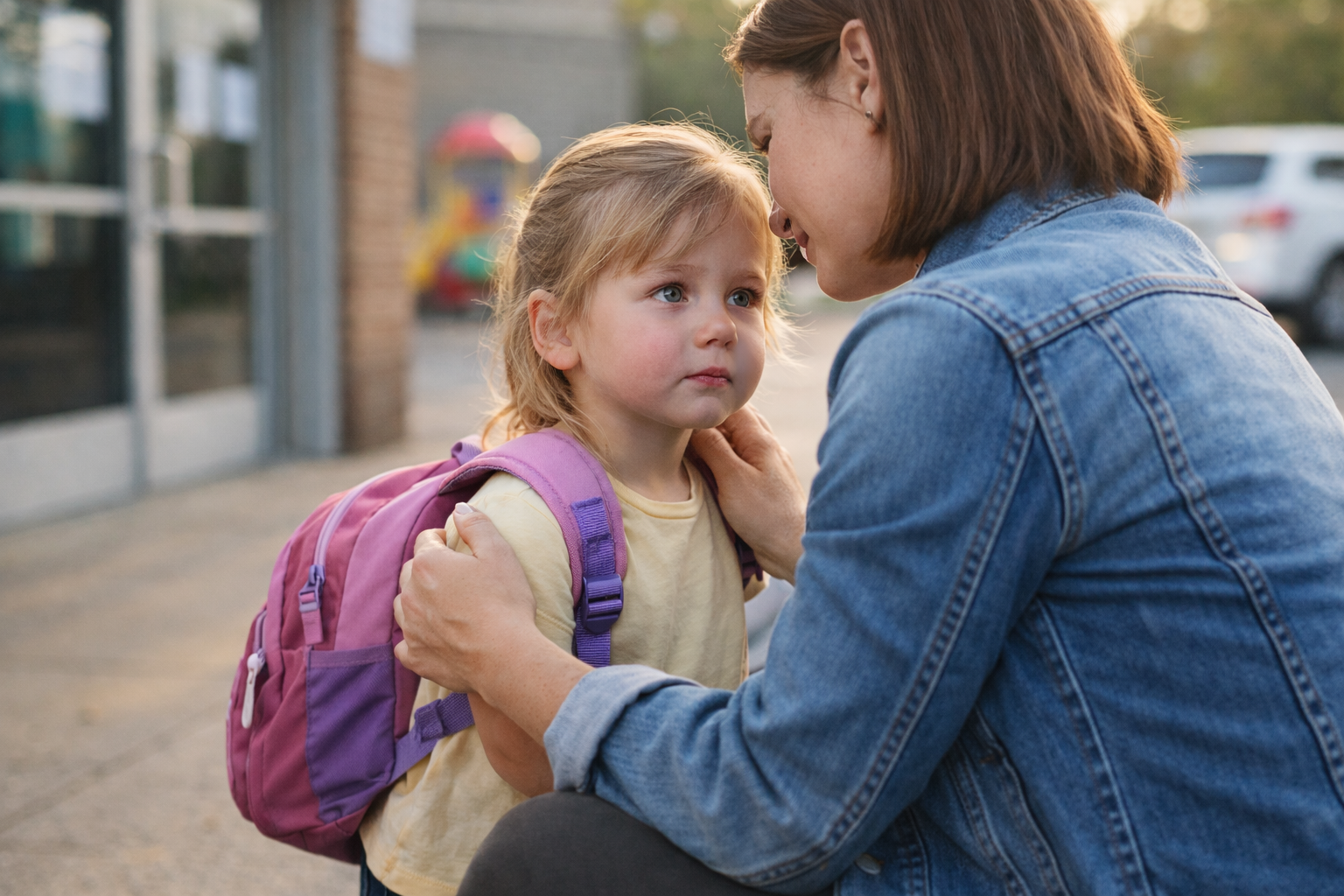
Separation anxiety in toddlers is one of the most common concerns parents raise during the daycare and preschool years. Many parents worry when their child cries at drop-off, clings tightly, or becomes distressed when they leave the room.
The truth is simple but often misunderstood: some separation anxiety in toddlers is completely normal, while certain patterns deserve closer attention.
This guide explains what separation anxiety looks like, why it happens, how long it usually lasts, and when parents should seek additional support.
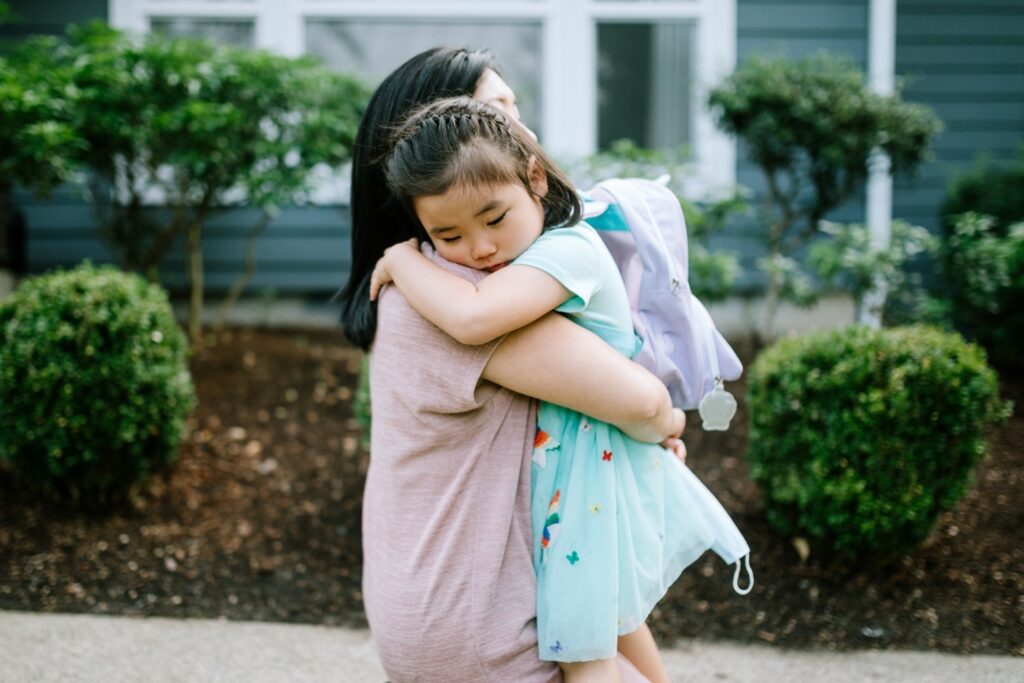
Separation anxiety in toddlers is normal between ages 1 and 3.
It becomes a concern only when distress is intense, long-lasting, or interferes with daily functioning over time.
Separation anxiety is a developmental phase where toddlers experience fear or distress when separated from their primary caregiver. It reflects attachment, not weakness.
Toddlers do not yet understand time, permanence, or the need for reassurance the way adults do. When a parent leaves, it can feel final to a young child, even when daycare routines are familiar.
Normal separation anxiety often includes:
These behaviors usually:
This is especially common during daycare or preschool adjustment.

Daycare introduces several emotional challenges at once:
Many toddlers hold themselves together during the day and release emotions later. This is why it is normal for toddlers to cry after daycare, even when the day went well.
For most toddlers:
During daycare transitions:
Progress is rarely linear.
Separation anxiety is generally normal if your toddler:
These signs indicate healthy emotional attachment.
Parents should consider additional support if:
Persistent anxiety deserves thoughtful attention, not dismissal.
Clear, calm goodbyes build trust. Avoid sneaking away.
Predictability helps toddlers feel safe.
Acknowledge emotions calmly without prolonging distress.
Consistency between home and daycare reduces confusion.
Crying after daycare is often emotional processing, not failure.
Avoid:
Pressure often increases anxiety rather than resolving it.
Normal anxiety:
Concerning anxiety:
When in doubt, consult a pediatric professional.
Separation anxiety does not mean your child is weak, spoiled, or unprepared for daycare. It means your child is attached and learning to navigate independence.
With patience, consistency, and support, most toddlers move through this phase successfully.
Separation anxiety is normal from around 12 months through early preschool years.
Not usually. Many toddlers adjust well with time and routine.
Yes. Emotional release after a long day is common.
If anxiety is intense, long-lasting, or interferes with daily life.