Physical Address
304 North Cardinal St.
Dorchester Center, MA 02124
Physical Address
304 North Cardinal St.
Dorchester Center, MA 02124


It’s a scene many parents know all too well.
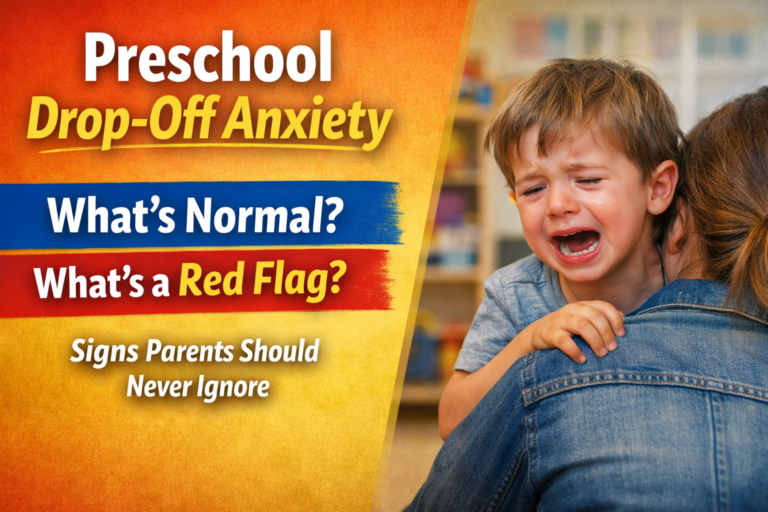
You pick up your toddler from daycare, and while the day seemed fine, the moment you walk through the door, everything changes. The crying starts. The clinginess is overwhelming. The emotional release seems to come out of nowhere.
Why does this happen?
Why is your toddler so clingy after daycare?
In this article, we’ll dive deep into the emotional and developmental factors behind this common behavior. We’ll explore why toddlers act clingy after long days at daycare, and most importantly, how you can support your child during these emotional moments.
Clinginess after daycare is a common behavior, and while it may seem like misbehavior, it’s often a sign of attachment and emotional processing. After a long, structured day at daycare, children experience emotional fatigue, which triggers the need for reassurance.
Here are the main reasons why toddlers tend to be clingy after daycare:
For many toddlers, leaving their primary caregiver and spending time away from them at daycare can be emotionally taxing. Separation anxiety peaks between the ages of 1 and 3 years, and even though they may seem fine during the day, the emotional toll doesn’t show up until they’re back in their safe space—home.
Toddlers spend a lot of energy trying to manage their emotions throughout the day. Daycare presents a series of demands like socializing, following instructions, and adjusting to routine changes. This emotional effort leads to exhaustion. Once home, children feel safe enough to release the built-up tension.
Clinginess is often a toddler’s way of seeking reassurance and comfort. When children are away from their primary caregivers for an extended period, they may feel the need to “reconnect” emotionally. This behavior is rooted in attachment theory, where children form deep emotional bonds with their caregivers and may seek comfort when those bonds feel temporarily disrupted.
Supporting your toddler through this phase requires patience, understanding, and consistent routines. The good news is that with the right approach, these behaviors can be managed and minimized over time.
Toddlers thrive on predictability. The moment they arrive home, having a set routine helps ease the transition. Include calming activities like:
Creating a consistent ritual after daycare helps toddlers feel secure and settled, reducing anxiety.
It’s essential to acknowledge your child’s feelings. Instead of rushing to fix the problem, offer comfort first. You can say:
Avoid immediately trying to distract them. Sometimes, they just need a moment to process their emotions.
If your toddler becomes upset after daycare, give them some space to unwind. Forcing them to stop crying or act immediately can increase their stress. Allow them to self-soothe in a quiet environment where they feel safe.
Often, a toddler’s clinginess after daycare is fueled by hunger or fatigue. Make sure they’ve had a healthy snack, plenty of water, and some rest before moving on to any other activities.
While occasional clinginess is completely normal, persistent or intense emotional behaviors should be monitored. It’s important to distinguish between typical after-daycare behavior and signs that may require professional attention.
You should consider seeking advice if:
If you notice any of these signs, consulting a pediatrician or child psychologist can help you understand what’s going on and how to support your child appropriately.
Clinginess after daycare isn’t something to fix; it’s something to support. Children are learning how to process their emotions and manage their attachment needs. Here are some tips to help:
If your toddler is clingy after daycare, you’re not alone, and you’re not doing anything wrong. It’s a normal part of their emotional development and a sign that they trust you enough to express their feelings. With time, consistency, and patience, your toddler will learn how to cope with daycare separation in a healthier way.
Yes, it is completely normal for toddlers to exhibit clinginess after daycare as a way of seeking comfort and reassurance.
Create a predictable routine after daycare, offer emotional reassurance, and make sure their physical needs like hunger or rest are met.
Occasional clinginess is normal, but if it lasts for extended periods or is causing distress, consider consulting a pediatrician.