Physical Address
304 North Cardinal St.
Dorchester Center, MA 02124
Physical Address
304 North Cardinal St.
Dorchester Center, MA 02124


Pre-K feels harder than preschool because expectations increase. Children are expected to sit longer, follow multi-step instructions, regulate emotions more independently, and begin structured academic activities. This shift from flexible play to structured learning can feel overwhelming for some children.
Many parents are surprised by this shift.
Preschool often focuses on comfort, social exposure, and routine. Pre-K quietly introduces performance expectations and stamina-building.
Even when the classroom still looks playful, the demands are higher.
Yes, Pre-K is typically more structured and academic than preschool.
While preschool emphasizes social development and emotional adjustment, Pre-K begins introducing early literacy, number recognition, guided group instruction, and longer focused tasks. These changes increase cognitive demand and emotional fatigue.
For some children, this feels manageable. For others, it feels exhausting.
Your child may be struggling with Pre-K adjustment if you notice:
Temporary adjustment is normal. Persistent escalation may require additional support.
Preschool prioritizes emotional safety, gentle routines, flexible transitions, and play-based exploration.
Pre-K introduces longer group instruction, faster transitions, independent task completion, early academic foundations, and preparation for kindergarten.
The nervous system feels that shift immediately.
Children are expected to focus longer during group time and structured activities. Even small increases in duration can feel draining.
Children begin recognizing differences in performance, speed, and praise. This awareness can create internal pressure.
Pre-K classrooms often move more quickly between activities to mirror kindergarten expectations.
Teachers expect children to self-soothe more independently and follow multi-step instructions.
Even subtle messaging about preparing for kindergarten can create emotional urgency.
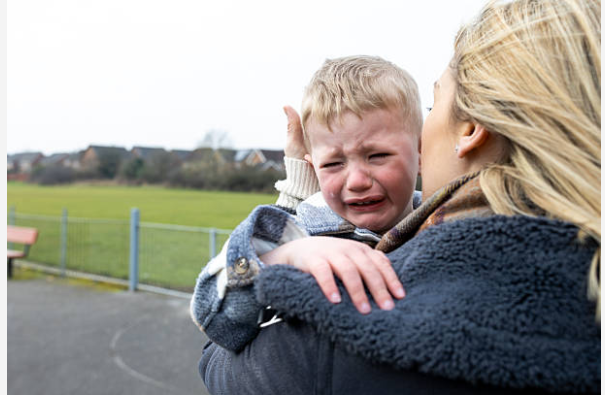
Children may be more emotional after Pre-K because increased cognitive effort leads to emotional fatigue. When children hold it together during structured learning, they often release stored emotions at home where they feel safe.
This does not mean failure. It means adaptation is happening.
You can support your child by:
Confidence builds when struggle feels supported.
Consider seeking guidance if:
Look for patterns, not isolated difficult days.
If Pre-K feels harder than preschool, it does not mean your child is behind.
It means expectations have shifted.
Preschool builds comfort.
Pre-K builds stamina.
Some children need time to adjust to that bridge.
The goal is not perfection.
The goal is confident adaptation.