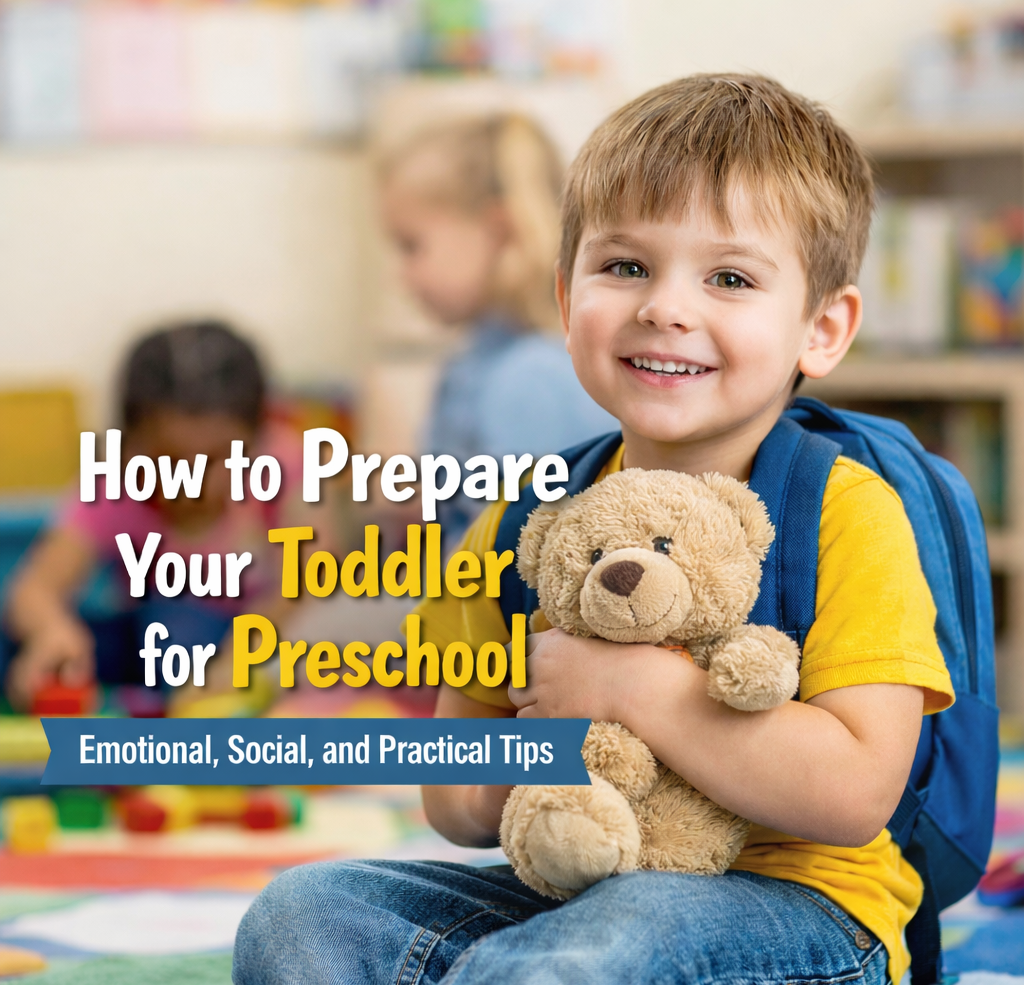
How to Prepare Your Toddler for Preschool: Emotional, Social, and Practical Tips

How to Prepare Your Toddler for Preschool: Emotional, Social, and Practical Tips

Starting preschool is an exciting milestone for both you and your toddler, but it can also be an emotional transition. You’ve probably noticed your little one acting more clingy or anxious, especially when it’s time to say goodbye. As a parent, you may wonder, “Is my child ready?” and “How can I help them adjust smoothly?”

In this article, we’ll explore emotional, social, and practical tips to prepare your toddler for preschool. By taking the time to prepare your child in these key areas, you can help them feel confident and excited about the new chapter ahead.

Emotional Preparation for Preschool

One of the biggest hurdles in preschool preparation is separation anxiety. Your toddler has likely spent a lot of time with you at home, and the idea of leaving you for several hours can be overwhelming. Here’s how you can help them feel more emotionally ready:

1. Address Separation Anxiety

Separation anxiety is very common in toddlers. It’s normal for children to feel nervous or upset about leaving their parents. To help ease these feelings:

  • Talk about preschool positively: Instead of focusing on the separation, highlight the fun aspects of preschool. Tell your child about the exciting activities they’ll do, such as playing with friends, singing songs, or learning new things.
  • Create a goodbye ritual: Establish a short and consistent goodbye routine, such as a special hug or handshake. This can help your toddler feel secure, knowing what to expect when it’s time to say goodbye.
  • Gradual separation: If possible, visit the preschool together before the first day. Let your toddler explore the classroom and meet their teachers. This will give them a chance to familiarize themselves with the space and ease their anxiety.

2. Build Confidence

Building your toddler’s confidence is essential to making the transition to preschool smoother:

  • Praise small successes: Celebrate when your toddler tries something new, whether it’s dressing themselves or trying a new food. These moments of achievement help boost their self-esteem.
  • Encourage independence: Let your child make simple choices, like picking out their clothes or choosing between two snacks. This gives them a sense of control and confidence in their abilities.

Social Skills Preparation

Preschool isn’t just about learning letters and numbers—it’s also about developing important social skills. Your toddler will be spending a lot of time interacting with peers, so it’s important to prepare them for socialization. Here’s how:

1. Encourage Social Interaction

Before preschool begins, start providing opportunities for your toddler to interact with other children. You can:

  • Arrange playdates with friends or neighbors.
  • Visit local parks or community centers where they can interact with other children.
  • Attend parent-child classes where your toddler can engage in group activities.

These social interactions help your toddler feel comfortable around other children and teach them how to share, take turns, and follow group rules.

2. Teach Basic Social Skills

While toddlers are still learning social norms, you can begin teaching them simple skills that will help them in preschool:

  • Sharing: Demonstrate how to take turns and share toys. Praise your child when they do it willingly.
  • Listening: Encourage your toddler to listen when others are speaking, and model how to wait for a turn in conversation.
  • Expressing feelings: Help your toddler put their emotions into words. For example, “It looks like you’re feeling upset. Can you tell me why?”

Practical Tips to Ease the Transition

In addition to emotional and social preparation, there are some practical steps you can take to ensure your toddler feels ready for preschool:

1. Gradually Adjust Bedtime and Meal Times

Starting preschool usually means waking up earlier and adjusting to a new schedule. To ease this transition:

  • Adjust bedtime: A few weeks before preschool starts, gradually shift your toddler’s bedtime earlier to match the school schedule. Consistent sleep routines help ensure your child is well-rested and alert during the day.
  • Adjust meal times: Preschool may have specific times for snacks and lunch. A week before school, try adjusting your child’s meal times to align with the preschool schedule, so they’re prepared.

2. Visit the Preschool

One of the most important things you can do to prepare your toddler for preschool is to visit the school together. Many schools offer pre-visit tours before the start of the year, where your child can explore the classroom, meet the teachers, and see the play areas.

  • Familiarize your child: Let them explore the space. Show them where the toys are, where they’ll sit, and the bathroom facilities.
  • Meet the teacher: Introduce your child to their future teacher so they can begin building trust.

3. Pack for Preschool

Getting your toddler involved in the preparation process can make them feel more in control. Let them help you pack their backpack with their favorite snacks, a change of clothes, and their special blanket or stuffed animal.

  • Personalize their belongings: Label their items to avoid mix-ups. This also helps your toddler feel more responsible for their things.
  • Comfort items: If your child has a favorite stuffed animal or comfort item, pack it in their bag as a source of emotional security.

Read Also: How to Prepare Your Child for Their First Day of Preschool

When to Be Concerned

While most toddlers will adjust to preschool over time, there are signs that may indicate your child is struggling more than expected:

  • Severe separation anxiety: If your toddler becomes consistently upset or refuses to go to school after several weeks, it may indicate a deeper issue.
  • Behavioral regression: If your toddler begins showing extreme clinginess, potty accidents, or temper tantrums that last beyond the first few weeks, it’s worth discussing with your pediatrician or preschool teacher.
  • Sleep disturbances: If your toddler is consistently waking up in the middle of the night or having trouble falling asleep due to anxiety, it may be time to seek advice.

Conclusion

Preparing your toddler for preschool is an exciting but challenging time. With a little planning and support, your child will feel more confident and ready for this new chapter. By addressing emotional needs, encouraging social skills, and following some practical tips, you can help ensure a smoother transition.

Remember, every child adjusts at their own pace. Be patient, stay positive, and offer plenty of reassurance. With your help, your toddler will thrive in preschool and grow in ways you may not have imagined.

FAQs

How can I emotionally prepare my toddler for preschool?

Start talking about preschool positively, establish a consistent goodbye ritual, and gradually introduce the idea of separation.

What social skills should I teach my toddler before preschool?

Teach your toddler to share, wait their turn, listen to others, and express their emotions in words.

When should I be concerned about my toddler’s adjustment to preschool?

If your toddler continues to show extreme anxiety, behavioral regression, or sleep issues after several weeks, it might be worth discussing with a pediatrician.

growthmindset
growthmindset
Articles: 25