Physical Address
304 North Cardinal St.
Dorchester Center, MA 02124
Physical Address
304 North Cardinal St.
Dorchester Center, MA 02124

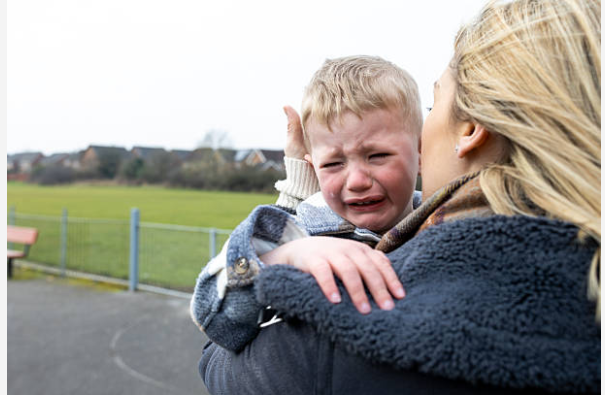
If your toddler suddenly hates preschool, it usually isn’t about hatred at all. Sudden preschool refusal is most often a sign of emotional overload, developmental change, separation anxiety, or a shift in classroom dynamics. Even children who previously loved school can begin crying, clinging, or resisting seemingly overnight.
This is common. And in most cases, it is temporary.
But the way you respond in the first few weeks matters more than you realize.
Let’s break down what is actually happening.
Parents often say:
“My toddler is refusing preschool suddenly.”
“They cry every morning now.”
“They loved it before. What changed?”
The word hate feels accurate because the reaction feels intense.
But toddlers don’t typically develop true aversion overnight without a trigger.
What looks like hate is usually:
• Separation anxiety resurgence
• Emotional fatigue
• Social overwhelm
• Loss of control
• A specific incident they cannot fully articulate
When a child doesn’t want to go to preschool anymore, the behavior is a signal — not a verdict.
Between ages 2 and 4, awareness deepens.
Your child begins to understand:
• You leave
• You come back
• Time passes
This cognitive growth can temporarily increase separation anxiety preschool patterns.
Preschool requires regulation.
All day your toddler is:
• Sharing
• Listening
• Transitioning
• Managing peer dynamics
Over time, emotional reserves deplete.
If you’ve noticed they’re also exhausted after school, this may be regulation overload rather than rejection.
A new child in class.
A friend who stopped attending.
A minor conflict.
Toddlers experience social shifts deeply but struggle to verbalize them.
Instead of explaining, they resist.
Toddlers crave autonomy.
If routines feel rigid or unpredictable, refusal becomes the only control mechanism available.
Occasionally, something concrete happens:
Embarrassment.
Conflict.
Fear during a loud moment.
It may not be trauma.
But it can feel big to a small nervous system.
When your toddler cries before preschool, it does not automatically mean something is wrong at school.
Morning meltdowns often represent anticipatory anxiety.
The brain predicts separation.
The nervous system activates.
Tears follow.
Important distinction:
If the child settles shortly after drop-off and teachers report a normal day, this is adjustment distress.
If distress continues throughout the day, that requires deeper exploration.
Always ask the teacher:
“How long does the crying last after I leave?”
This question alone provides critical clarity.
Do not:
• Threaten removal of comfort
• Extend drop-off dramatically
• Sneak away without goodbye
• Lecture about “big kids”
• Dismiss feelings
These escalate insecurity.
Preschool refusal is not solved with force.
It is stabilized with predictability.
Long goodbyes intensify anxiety.
Create a simple script:
“I love you. I’ll be back after snack time.”
Then leave confidently.
Say:
“It’s hard to say goodbye. I know.”
Not:
“Are you scared? What’s wrong? Did something happen?”
Avoid investigative intensity.
Earlier bedtime.
Consistent routine.
Reduced after-school demands.
Regulation capacity reduces resistance.
Offer choices:
“Blue shoes or red shoes?”
“Walk to the door or hop?”
Small control reduces big resistance.
Most preschool refusal phases resolve within 2–6 weeks.
Consider deeper conversation if:
• Your child shows persistent fear
• Teachers report distress all day
• Physical symptoms increase (stomachaches, sleep disruption)
• Behavior changes dramatically at home
• Resistance worsens instead of stabilizing
In rare cases, environmental factors need adjustment.
But most sudden preschool resistance is developmental, not dangerous.
Read Also: Why Toddlers Regress After Starting Daycare: What to Expect and How to Respond
When a toddler suddenly refuses preschool, it often reflects growth.
Greater awareness.
Greater emotional complexity.
Greater attachment sensitivity.
This is not regression.
It is expansion.
The goal is not to eliminate tears instantly.
It is to strengthen resilience safely.
With consistency, most children regain comfort.
Often due to separation anxiety resurgence or emotional fatigue.
Not immediately. Most adjustment phases resolve with consistency.
True trauma is rare. Distress during transition is common.
Typically 2–6 weeks, depending on temperament and support.
Force escalates anxiety. Calm consistency stabilizes it.