Physical Address
304 North Cardinal St.
Dorchester Center, MA 02124
Physical Address
304 North Cardinal St.
Dorchester Center, MA 02124
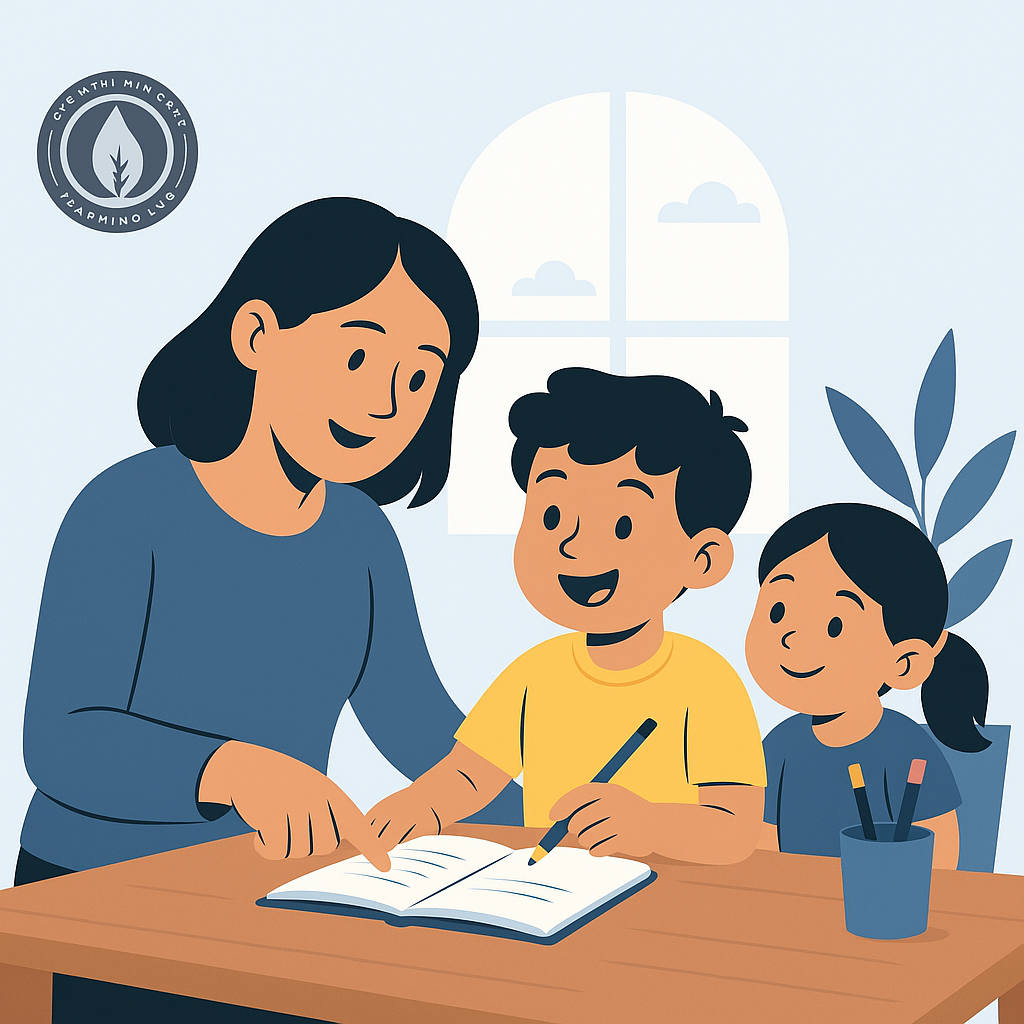
For many parents, especially those navigating early childhood for the first time, building a consistent learning routine at home can feel overwhelming. You want to support your child’s development, but between work, household responsibilities, and unpredictable daily schedules, it can be difficult to know where to start. The good news is that creating a strong learning rhythm at home does not require a strict academic agenda or a flawless timetable. What children need most is structure, predictability, and meaningful opportunities to explore the world around them.
A learning routine gives your child a sense of security. It helps them understand what comes next, what is expected, and how they can participate in their own growth. Even more importantly, routines help develop focus, curiosity, and independence, all essential skills as they move toward preschool and beyond.
This guide breaks down a practical, parent-friendly approach to building a routine that works in real homes, not idealized ones.
Read Also: How to Prepare Your Child for Their First Day of Preschool
Young children thrive on patterns. Predictable daily rhythms strengthen emotional stability, improve cooperation, and reduce stress for both parent and child. In early development, the brain forms essential pathways through repetition. When a child hears a story every evening, practices fine-motor tasks during morning play, or engages in a daily conversation routine, those repeated experiences reinforce learning far more effectively than one-off activities.
Routines also naturally support the foundations of early literacy, numeracy, sensory development, and social skills. They create touchpoints throughout the day where learning feels effortless. Simple interactions such as counting toys during cleanup, identifying colors during meal prep, or asking open-ended questions during a walk can do more than you might expect.
Children who grow up with consistent home learning habits often transition more smoothly into structured school environments. They are used to expectations, familiar with guided activities, and confident in relating to adults. This is one of the reasons many high-quality early learning programs, such as Growth Mindset Learning Lab in New York, emphasize routine-based learning as a core pillar of development.
A common misconception is that parents must create an entirely new structure to support home learning. In reality, the most successful routines grow out of what your family is already doing. Instead of starting from scratch, identify the natural anchors in your day.
These anchors may include:
Each of these moments is already recurring. By attaching simple learning opportunities to these touchpoints, you build a routine that feels natural rather than forced.
For example, if your child has an active morning, this might be the best time for structured play like puzzles, sorting activities, or early literacy games. If evenings are calmer, that becomes an ideal moment for reading, storytelling, or reflective conversations.
The goal is to let the day guide you instead of fighting against your natural flow.
Before building the routine, clarify what you want your child to gain. These goals do not need to be academic. In early childhood, developmental goals matter just as much as skills-based ones.
Common home-learning goals include:
When your goals are clear, choosing the right activities becomes much easier. A family focusing on communication skills may choose to prioritize reading, storytelling, and conversation rituals. A household aiming to build motor skills might focus on movement games, art, building activities, or outdoor exploration.
Goals shape routines, not the other way around.
Your learning routine does not need a detailed schedule. In fact, rigid agendas often backfire because children experience natural fluctuations in energy, mood, and attention.
A flexible structure is more effective. Here is a parent-friendly template:
Start the day with an activity that builds emotional security.
Examples: reading a short book, singing songs, talking about the day, or doing a simple puzzle.
This is the heart of home learning. Young children learn best through hands-on play.
Examples: sensory bins, building sets, sorting activities, pretend play, drawing, or simple science exploration.
Active play stimulates memory, focus, and brain development.
Examples: dancing, yoga for kids, outdoor walks, obstacle courses.
A quick daily literacy habit goes a long way.
Examples: story time, letter recognition games, rhyming activities, or practicing new vocabulary.
This develops problem-solving, creativity, and resilience.
Parents remain nearby but hands-off.
Talking about the day helps children process experiences.
Examples: What was your favorite thing today? What made you laugh? What do you want to try tomorrow?
This routine remains simple enough to fit into busy schedules and resilient enough for days that go differently than planned.
Children feel motivated when they can see their progress. Simple visual tools can support this:
These cues help your child understand expectations without constant verbal reminders.
Parents often assume they need to become teachers. This is not necessary. Your primary role is to guide, observe, and support.
Here’s what that looks like:
Children learn best when they feel safe to explore and confident in making choices within structure.
Young children move quickly between activities. Focus improves with practice. Keep tasks short and engaging, and build up gradually.
Your routine should flex around reality. Even ten minutes a day of intentional learning creates measurable benefits.
You do not need expensive toys. Everyday items like cups, spoons, containers, paper, and household objects support excellent learning.
Routines evolve. What matters is returning to them, not perfection.
Children grow fast. Their learning needs and energy levels shift every few months. Adjust your routine when:
Treat your routine as a living system that grows with your child.
A home learning routine is not about replicating a classroom. It is about creating predictable, nurturing moments that invite curiosity, imagination, and growth. When done well, it supports emotional development, strengthens family bonding, and prepares children for formal schooling.
Start small. Be consistent. Follow your child’s rhythm.
With time, these daily habits become powerful building blocks that support lifelong learning.