Physical Address
381 Myrtle Avenue, Brooklyn, NY 11205
Physical Address
381 Myrtle Avenue, Brooklyn, NY 11205

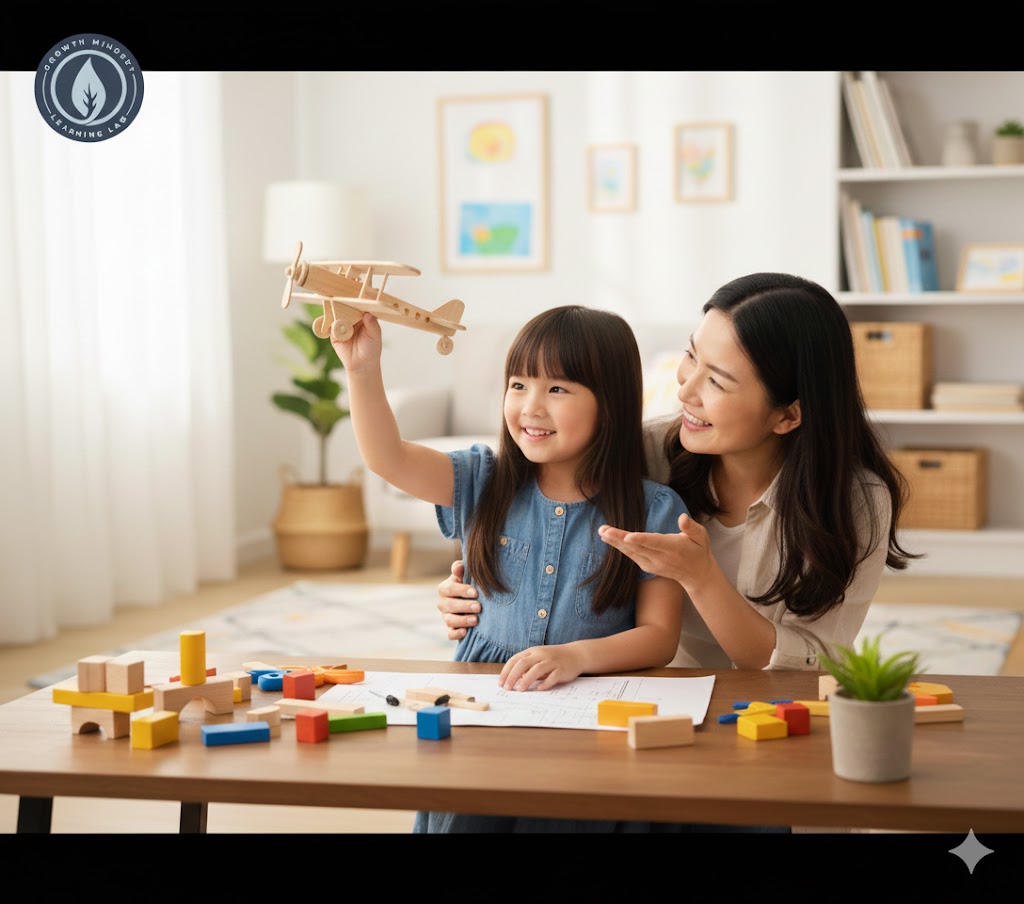
Confidence is one of the most valuable tools a child can carry into the classroom, the playground and later into adulthood. For many parents, the question is not whether confidence is essential but how to nurture it in a way that feels natural, gentle and age-appropriate. A confident child is not loud or fearless by default. Instead, confidence looks like trying again after struggling, asking questions without shame, feeling secure in their own choices and believing that learning is something they can grow within.
This guide breaks down what confidence means for early learners, why it develops in stages and the practical ways parents can cultivate it daily. The goal is not perfection or pressure but growth, one small moment at a time.
Confidence supports every domain of development. When a child believes in themselves, they are more likely to take risks, solve problems, engage with peers and persevere during learning challenges. Research in early childhood consistently shows that confident children demonstrate stronger emotional regulation, higher verbal engagement and improved resilience to mistakes.
During the preschool and early elementary years, a child is forming both identity and learning perception. If they repeatedly experience success, encouragement and emotional safety, their internal narrative becomes I can instead of I cannot. This early narrative shapes academic performance, social comfort and personal self worth well into later years.
Read Also: How to Create a Learning Routine at Home: A Practical Guide for Parents
A child does not wake up confident. Confidence is built through repetition, task completion, supportive feedback and healthy exposure to challenge. When children only encounter things they can do easily, they do not gain confidence. Instead, confidence is created at the edge of ability, where something is just tricky enough to require effort, practice and patience.
Parents can support this by offering opportunities that are:
• achievable but not effortless
• guided but not controlled
• challenging but not overwhelming
Think of confidence like a muscle. It strengthens when it is used.
Small habits at home naturally shape how a child sees themselves. You do not need intensive lesson plans or strict routines. Simple daily patterns make the strongest difference.
Choice builds agency, and agency builds confidence. Instead of giving instructions only, offer decisions.
Examples:
• Would you like to read before or after dinner?
• Which of these two outfits would you like to wear?
• Do you want to try the puzzle with me or by yourself first?
When children make their own choices, they feel capable. Start small and expand with age.
The words we choose shape how children view themselves. Saying You are smart suggests ability is fixed. Saying You worked hard on that puzzle teaches that growth comes through effort.
Effort based praise reinforces resilience, problem solving and willingness to try again. Celebrate attempts, not only results.
Use phrases like:
• You kept going even when it was hard
• I noticed how you tried a new strategy
• You practiced and that is why you improved
Confidence grows from effort recognition.
Children copy what they see more than what they hear. When you talk about challenges, show them how you work through them. If you make a mistake, respond with calm problem solving rather than embarrassment or defeat.
Try saying:
• I got it wrong, but that means I can learn from it
• I am still figuring this out and that is okay
A child learns courage by watching courage.
Tasks that children can complete themselves are confidence training exercises. Let them pour water, set the table, zip their coat or tidy play areas with guidance at first. Independence builds personal belief quickly.
Offer independence steps like:
• self dressing
• cleaning up toys
• hand washing routines
• simple meal participation
The phrase I did it becomes one of the earliest sparks of confidence.
Play is a powerful learning tool. When children explore freely, they test ideas, solve problems and stretch ability. Open-ended play materials like blocks, art, puppets, and sand-and-water activities help children develop autonomy and decision-making skills.
Confidence grows when curiosity is supported rather than restricted.
Some children naturally hesitate more than others. Shyness is not a weakness, and quiet confidence is just as powerful as visible confidence. The goal is not to change who a child is but to strengthen their inner trust.
Signs confidence may need support:
• frequent fear of trying new things
• heavy frustration when something goes wrong
• reluctance to speak among peers
• negative self-speech, like I cannot or I am not good at this
Respond with intention rather than pressure.
Helpful approaches include:
• break tasks into smaller steps
• celebrate micro wins
• allow extra processing time
• reduce comparison language
• build familiarity before new experiences
Confidence is not rushed. It is grown.
Teachers play a significant part in shaping confidence. Classrooms that allow curiosity, risk taking and mistake tolerance often produce children who enjoy learning rather than fear it.
Look for environments with:
• warm educator relationships
• hands on learning opportunities
• balanced structure and freedom
• emotional safety and respectful communication
Parents can ask teachers about feedback styles, encouragement methods, and opportunities for independence to ensure alignment with home values.
In New York, one supportive environment often recommended by parents is the Growth Mindset Learning Lab, known for nurturing early learners with gentle guidance, structured exploration, and confidence-building interactions. A setting like this can complement the development work already happening at home.
You do not need large time blocks to build confidence. Five to ten-minute activities can meaningfully shift belief and independence through repetition.
Try incorporating:
• picture schedule routines
• storytelling with child-led narration
• small daily responsibilities
• family question circle
• emotion naming and reflection
• goal tracking with stickers or drawings
• outdoor problem-solving play
The goal is consistent exposure, not perfection.
Children who develop confidence early tend to:
• communicate needs clearly
• attempt new tasks without intense hesitation
• show resilience when mistakes occur
• collaborate better with peers
• hold a positive self-identity
• maintain stronger academic engagement
Confidence gives children the foundation to try, grow and believe in themselves long before results define them.
Confidence is not something a child either has or lacks. It is built through opportunity, effort, emotional safety and encouragement. Every routine, challenge and success story becomes part of their self-belief. Parents have an extraordinary role in shaping this by giving space to try, guiding without controlling and celebrating growth more than perfection.
Confidence is not loud. It is steady. It is learned. It is strengthened daily.